More Than Just an Object

“There are spaces, some literal and some virtual, for those left behind by cancer, heart attacks, natural disasters, and acts of terrorism. There are conversations meant for widows, parents, and children. But there are no bereavement groups for stuff,” writes Sloane Crosley in her book "Grief Is for People," reflecting on the theft of her family jewelry.
Julia Louis-Dreyfus has spent time on her “Wiser than Me” Lemonada Media podcast, tearfully discussing photographs and files of cartoon clippings forever lost when her home in Pacific Palisades burned.
The Lumineers lament in their tune, “Same Old Song,” about the sorrow of losing a musical instrument: “They popped the trunk and left the keys behind / The cops pretend to care / I'll never see my mom's guitar again.”
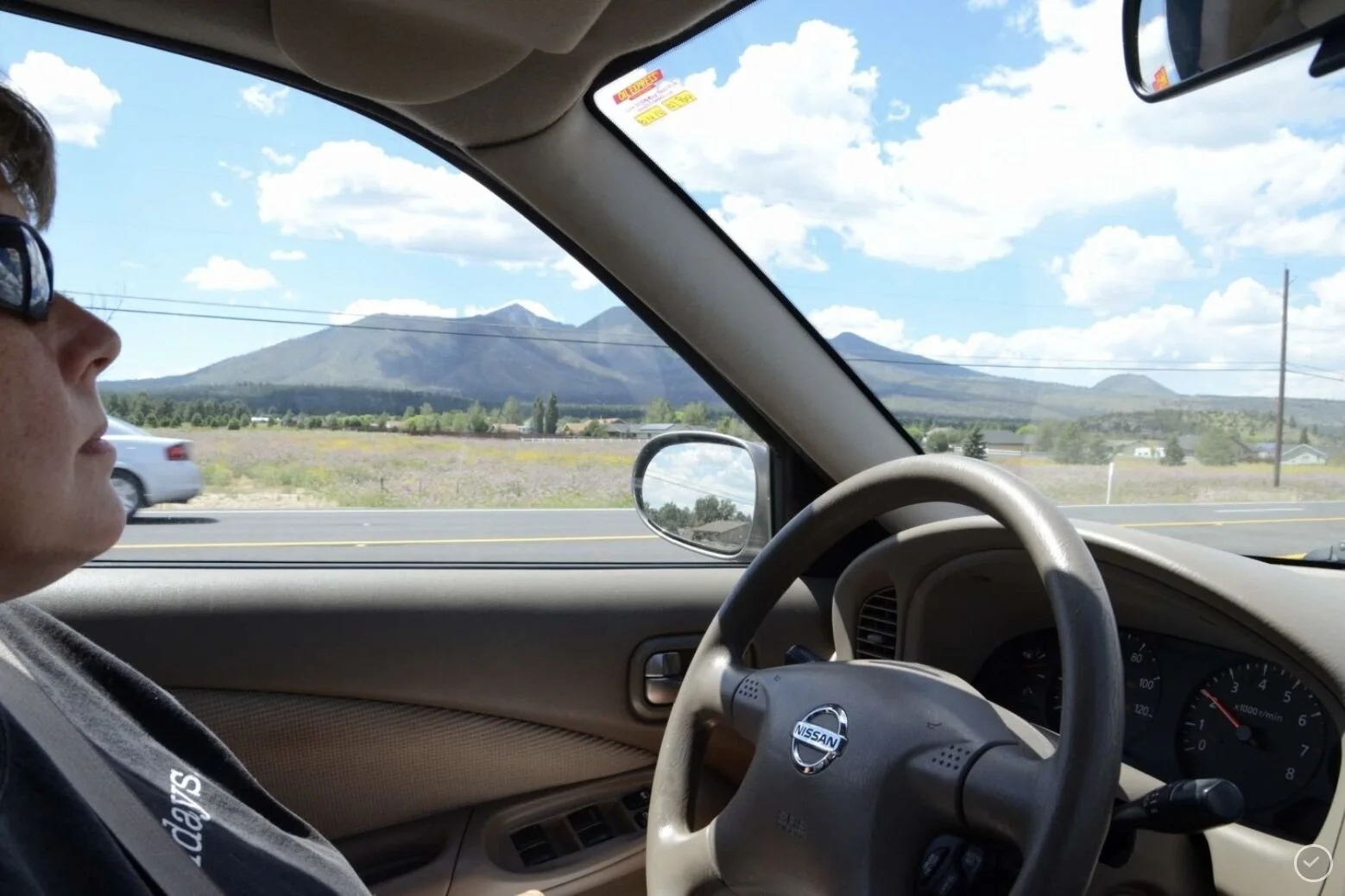
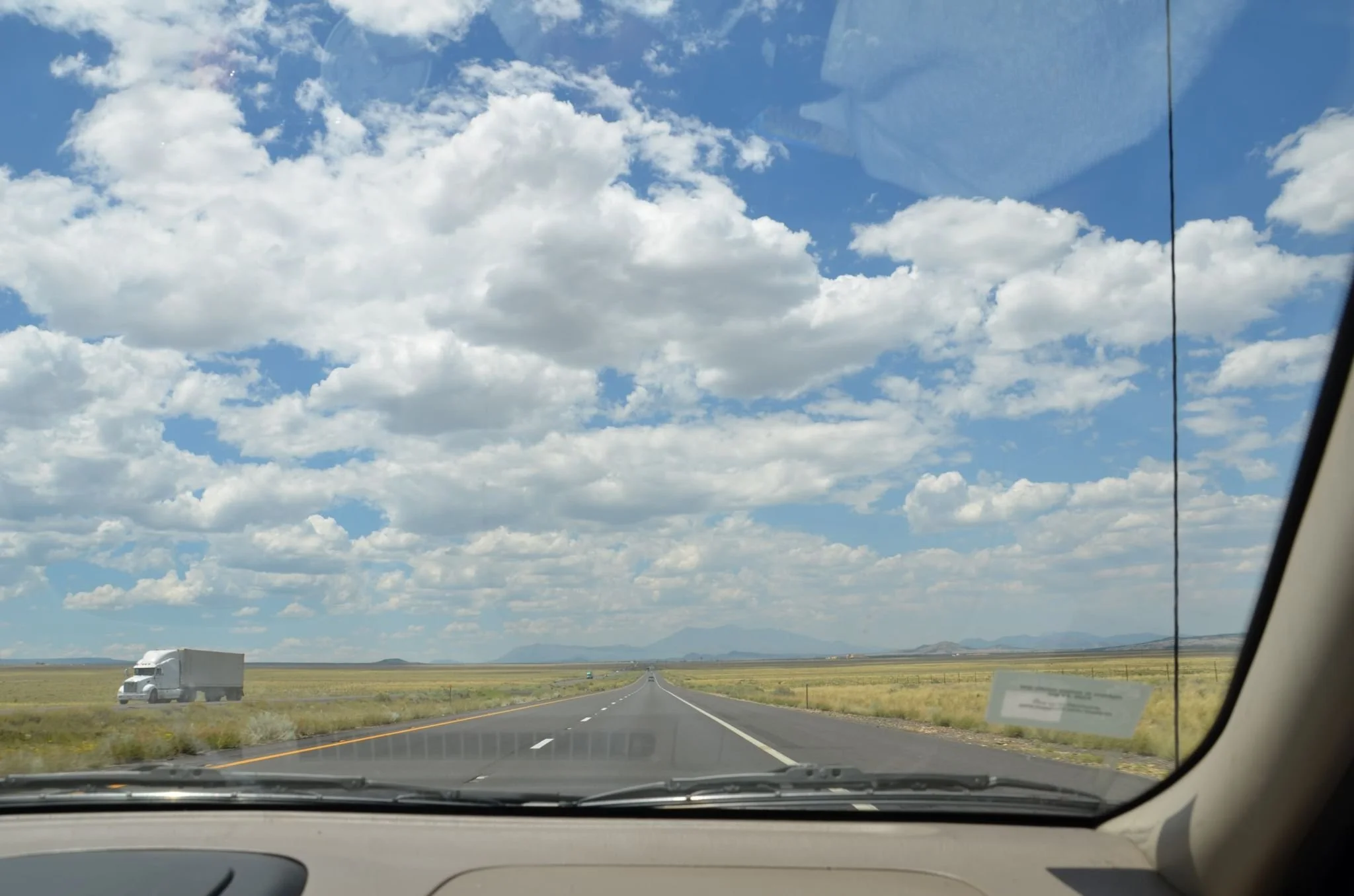
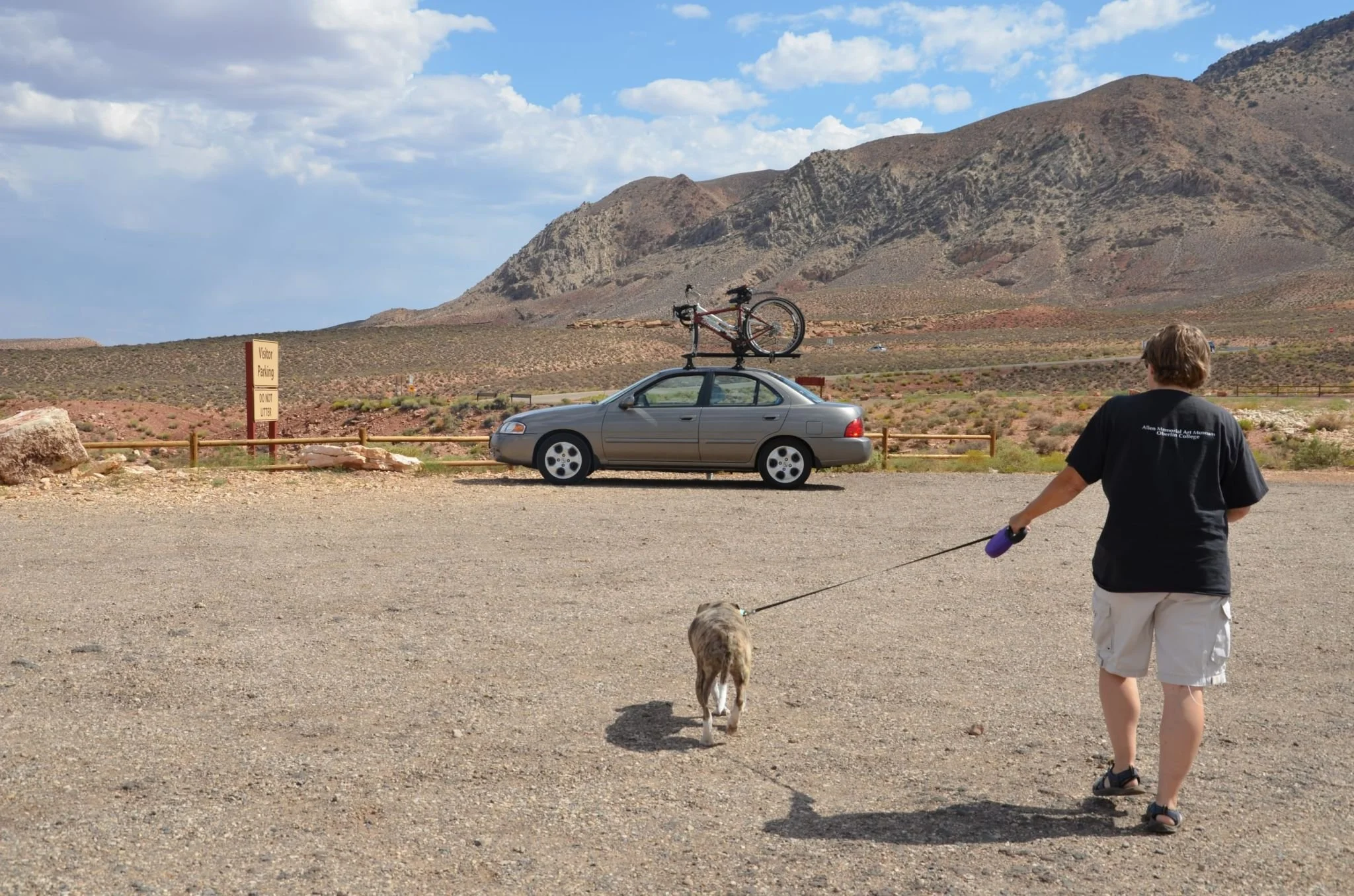
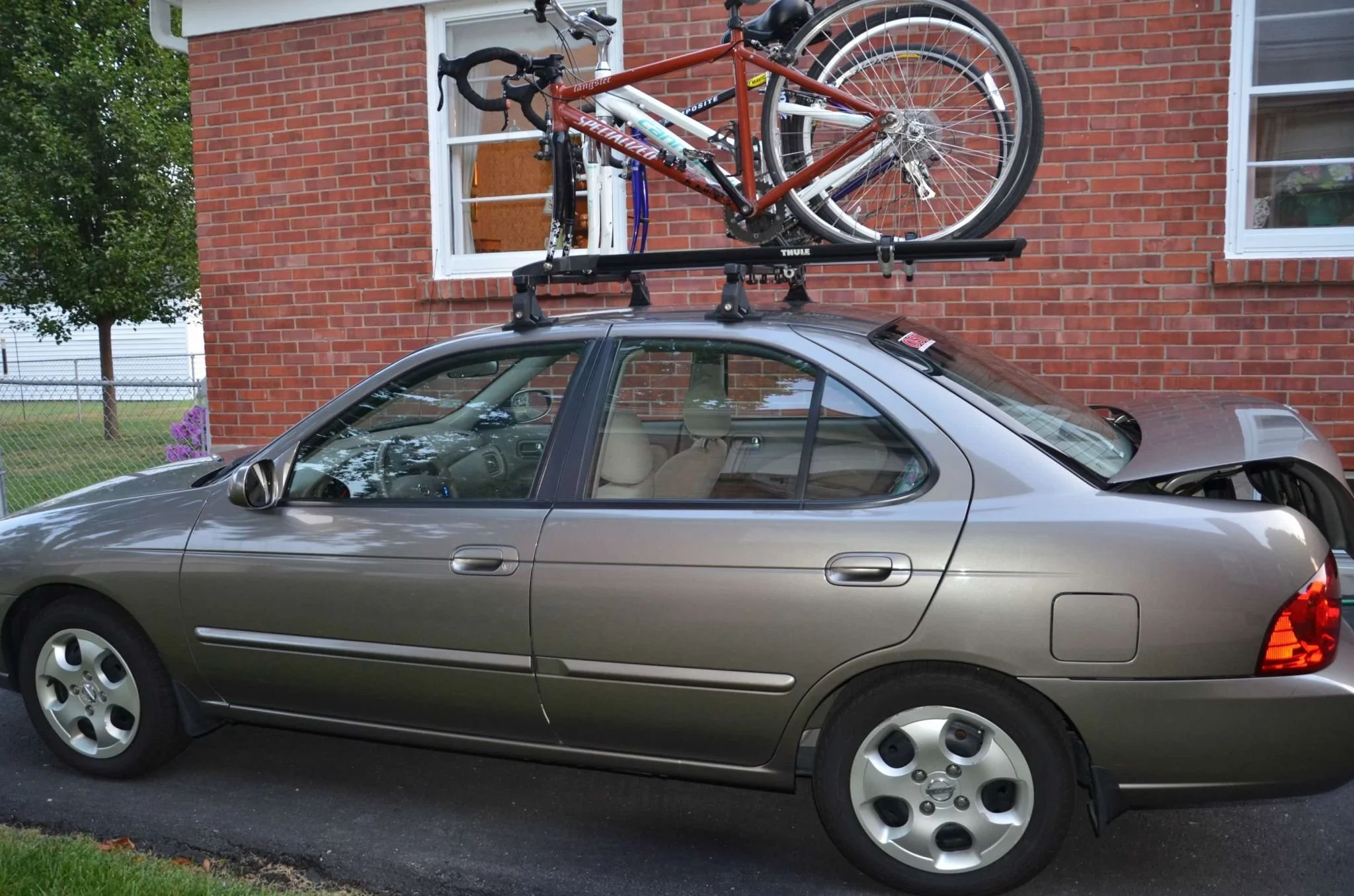
When my wife died, I had to sell most of our furniture, our condo, and our SUV. (Cancer bills cost a lotta money to pay off.) I kept our 2005 Nissan Sentra because it was the first place she kissed me, and we drove that car 2,397 miles across the country to our new home in California. This year, I had to bid that car goodbye. I was surprised when I suddenly burst into tears at the car dealership while signing the documents to trade it in.
Crosley notes in her book that the ring that’s gone wasn’t Grandma. And she’s right. The object is not the person. Still, we endow the things our loved ones leave behind with extraordinary meaning. They become conduits—small, tangible bridges to someone we can no longer reach. When those items disappear, you feel like you’re losing another part of them. Even the most ordinary object—a mug, a sweater, a handwritten note—swells in significance after someone dies, simply because their hands once held it. The value isn’t in the metal or fabric; it’s in the proximity, the shared touch, the quiet evidence that they were here.
Grief belongs to the realm of human loss, but we should also acknowledge that it’s natural to mourn things, because objects and places become vessels for our lives. These things are not inert; they absorb memory, identity, and attachment. When we lose them, we are losing continuity and a physical anchor to who we were.
Grief is the natural, emotional response to any significant change or loss. While we may believe it’s “for people,” it is also for meaning and memories we cherish. Perhaps it’s time we honor these kinds of losses as well and bring them to the forefront of grief group discussions.
Don’t miss future blog posts; sign up here and get them delivered directly to your email box.