
Grief Is About More Than Death
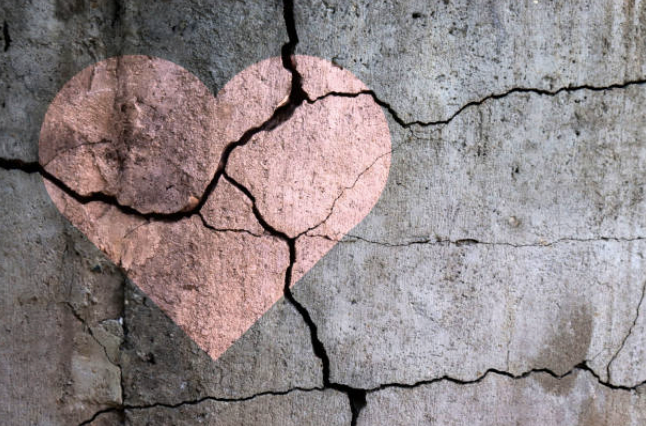
Our society often misperceives grief as only associated with death. People think of losing a spouse, parent, sibling, child, or close friend. And while grief certainly lives there, it does not live there alone.
Any experience that changes your world, disrupts your identity, shakes your sense of security, or forces you to let go of the life you expected can bring grief.
That ache you feel and you can’t quite identify? It’s grief! And it is the natural emotional response to loss, including losses such as the end of a marriage, the loss of a job, the breakdown of a friendship, destruction of your home or community after a natural disaster, a chronic medical diagnosis, or even the bittersweet transition of children leaving home.
Many people may call it sadness, stress, anxiety, numbness, anger, burnout, or confusion. They may wonder why their nerveous system has hit overload, why they are in a fog, or why they cannot simply “move on.”
I’m here to tell you, when something meaningful is taken away, the heart and the brain respond.
That response is grief.
Grief after job loss or retirement
A job is rarely just a job, especially in an age when companies like to encourage “family” atmospheres to boost loyalty and retention. Work gives us structure, purpose, identity, community, and financial security. When employment ends — whether through layoff, termination, retirement, reorganization, or other unexpected career change — the loss can feel deeply personal. (Even if the company tells you, “It’s just business.”)
People grieving job loss may not only be mourning income. They may also be mourning personal relationships with coworkers, routine, professional identity, future plans, confidence, and a sense of relevance. Retirement can bring similar feelings, even when it is planned or welcomed. A role that once shaped daily life is suddenly gone, and that absence can create real emotional pain.
This kind of grief is often overlooked. It’s called disenfranchised grief, an often invisible, emotional pain caused by a loss that is not openly acknowledged, socially sanctioned, or publicly mourned. That makes grief even harder to process.
Grief after divorce or the end of a relationship
Divorce is not simply a legal event. It is often the loss of a shared identity, a future once imagined, daily companionship, family traditions, and emotional security. Even when a divorce is necessary or brings relief, grief can still be present.
That can be confusing for people. They may think, “I wanted this, so why am I still grieving?” But grief is not cancelled out by clarity. A person can feel peace, relief, anger, heartbreak, and sadness all at once.
The end of a relationship often means grieving not only what was, but what could have been. Like the death of a spouse, divorce means shifting your identity from “we” to “me.” That can be a challenge, even when you are seeking your independence.
Grief after the loss of a friendship
Friendship breakups can be some of the most painful and least acknowledged losses people experience. There is no formal ritual for the end of a friendship. No bereavement leave. No casseroles. No floral arrangements. No universally recognized script for how to talk about it.
And yet, the pain can run deep.
A friendship may hold years of history, trust, laughter, shared milestones, emotional safety, and a sense of being known. When that connection ends, people may grieve the loss of belonging as much as the person themselves. Because friendship endings are often ambiguous or unresolved, the grief can feel especially complicated.
Just because society does not always name it does not mean it is not grief.
Grief after natural disasters and traumatic loss
Natural disasters can shatter far more than physical structures. People affected by fires, floods, hurricanes, earthquakes, or other disasters may grieve the loss of homes, neighborhoods, treasured belongings, routines, landmarks, and the sense of safety they once took for granted.
There is also grief in the loss of normalcy. The guy who always walked by your house with his dog at 6:30 a.m.? Gone. That favorite bagel shop up the street? Gone. The barista who knew your coffee order before you even walked in the door? Gone.
After a disaster, people are often expected to focus on logistics, survival, paperwork, and rebuilding. But beneath all that practical urgency is emotional devastation. Many are mourning what has been destroyed, what cannot be replaced, and the life they had before everything changed.
Disaster-related grief is often layered with shock, fear, trauma, and helplessness, which can make healing even more complex.
Grief while living with chronic disease
Grief is also present in chronic illness, though it is not always recognized as such.
When someone is living with a chronic disease, they may be grieving many things at once: the loss of physical ability, energy, independence, predictability, freedom, confidence, and the future they once expected.
They may mourn the life they used to have, the body they used to trust, or the plans they are no longer sure they can carry out. This grief may not happen once. It may return in waves, with each new limitation, symptom, setback, or change in treatment.
That ongoing grief is real. It deserves recognition, compassion, language, and support.
Other losses that can bring real grief
We also grieve many life changes that are often minimized or dismissed.
Children leaving home can bring a profound sense of emptiness and identity loss.
Financial hardship can strip away stability and possibility.
A move can mean the loss of community and familiarity.
Infertility can bring grief for a hoped-for future.
Grief shows up anywhere loss lives.
It does not ask whether your pain is socially recognized. It does not require a funeral to be valid.
Why expanding our understanding of grief matters
One of the most painful things about non-death grief is how often it goes unseen.
People experiencing these kinds of losses are often met with:
“You’ll bounce back.”
“At least it wasn’t worse.”
“Everything happens for a reason.”
“This is just part of life.”
“Something better is on the horizon.”
If you’ve heard these, you likely thought, “You don’t get it!” When grief is dismissed, people often begin to dismiss themselves and their true emotions. They question the legitimacy of their pain. They feel isolated in experiences that are actually deeply human.
No one should feel alone in grief.
Naming grief for what it is can be powerfully healing. You are not overreacting. You are responding naturally to loss.
That shift matters. When we understand grief more broadly, we make more room for honesty, compassion, and real support. Grief is not weakness. It is not self-indulgence. It is not a failure to cope.
Grief is what happens when love, hope, identity, security, or meaning is disrupted by loss.
My mission is to create a world where people feel seen instead of silenced in their most heartbreaking moments.
If this message resonates with you
You want to speak to someone in a real, compassionate, and accessible way? I would be honored to connect.
And, because some have reached out and asked if I will speak to their group, the answer is YES. We are in a time and space where so many people are grieving real losses. And we’re not talking about it. Just reach out. I will help you get the conversation started. It’s important.
Don’t miss future blog posts; sign up here and get them delivered directly to your email box.