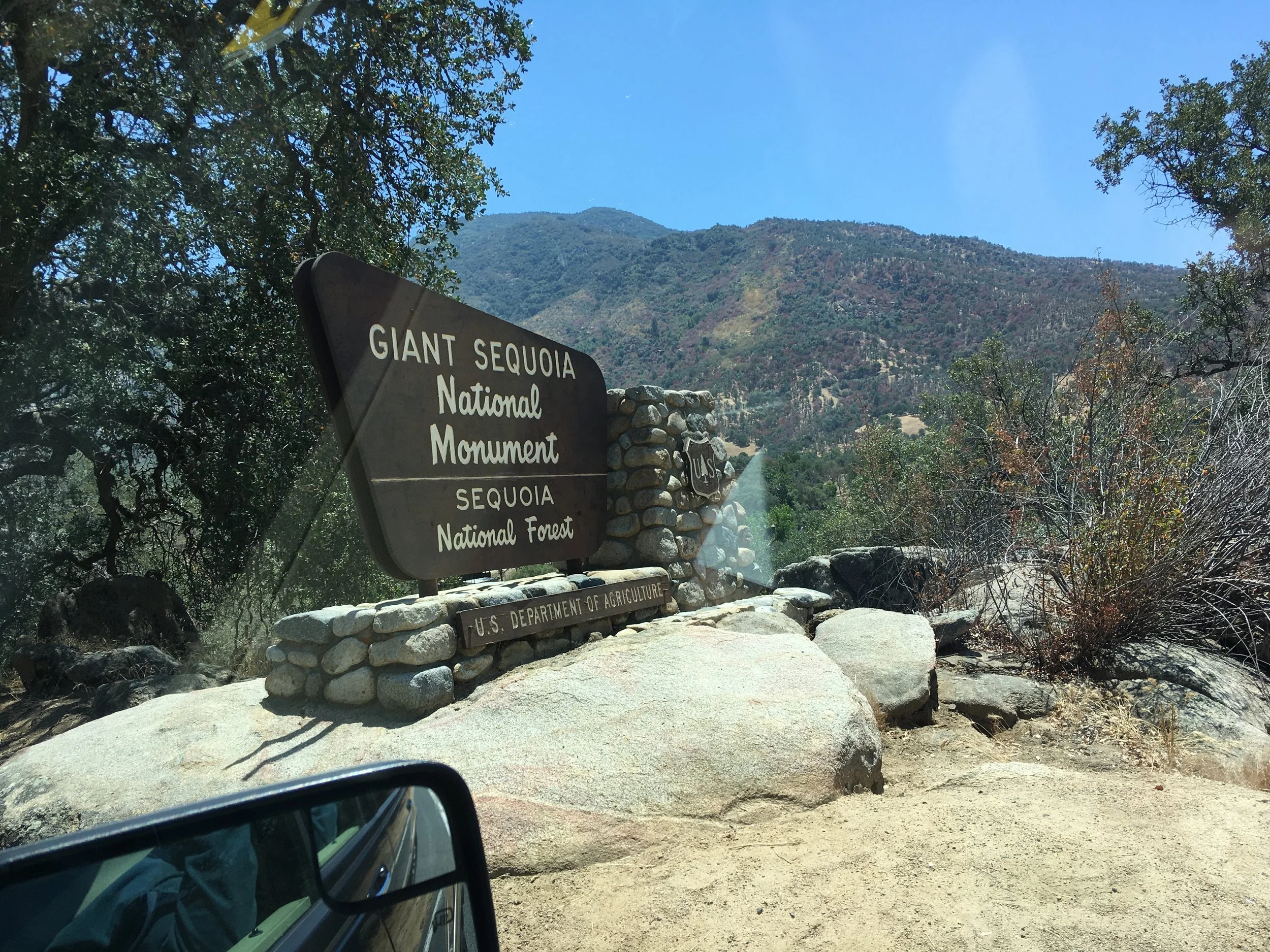
Healing Power of Nature
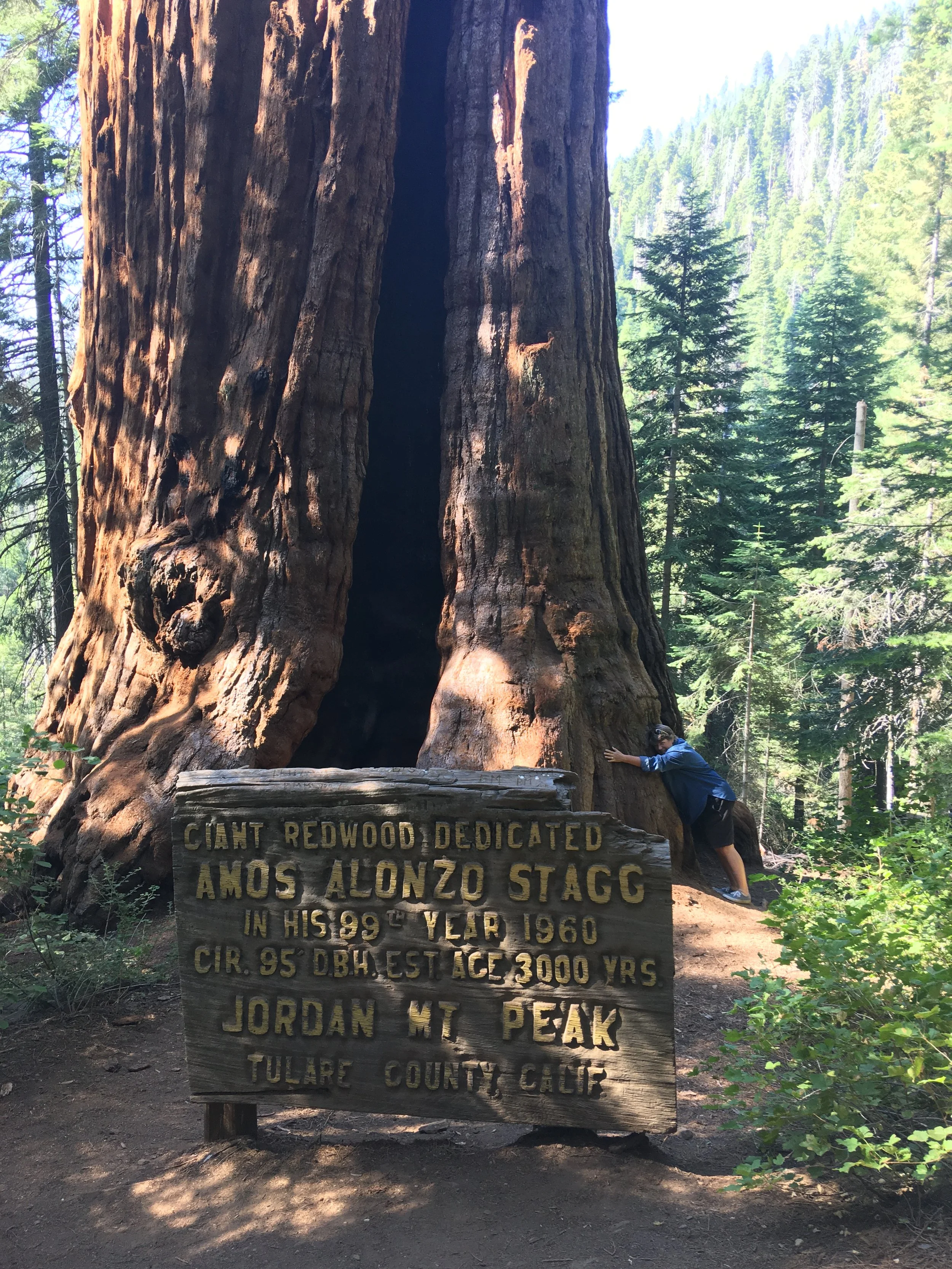
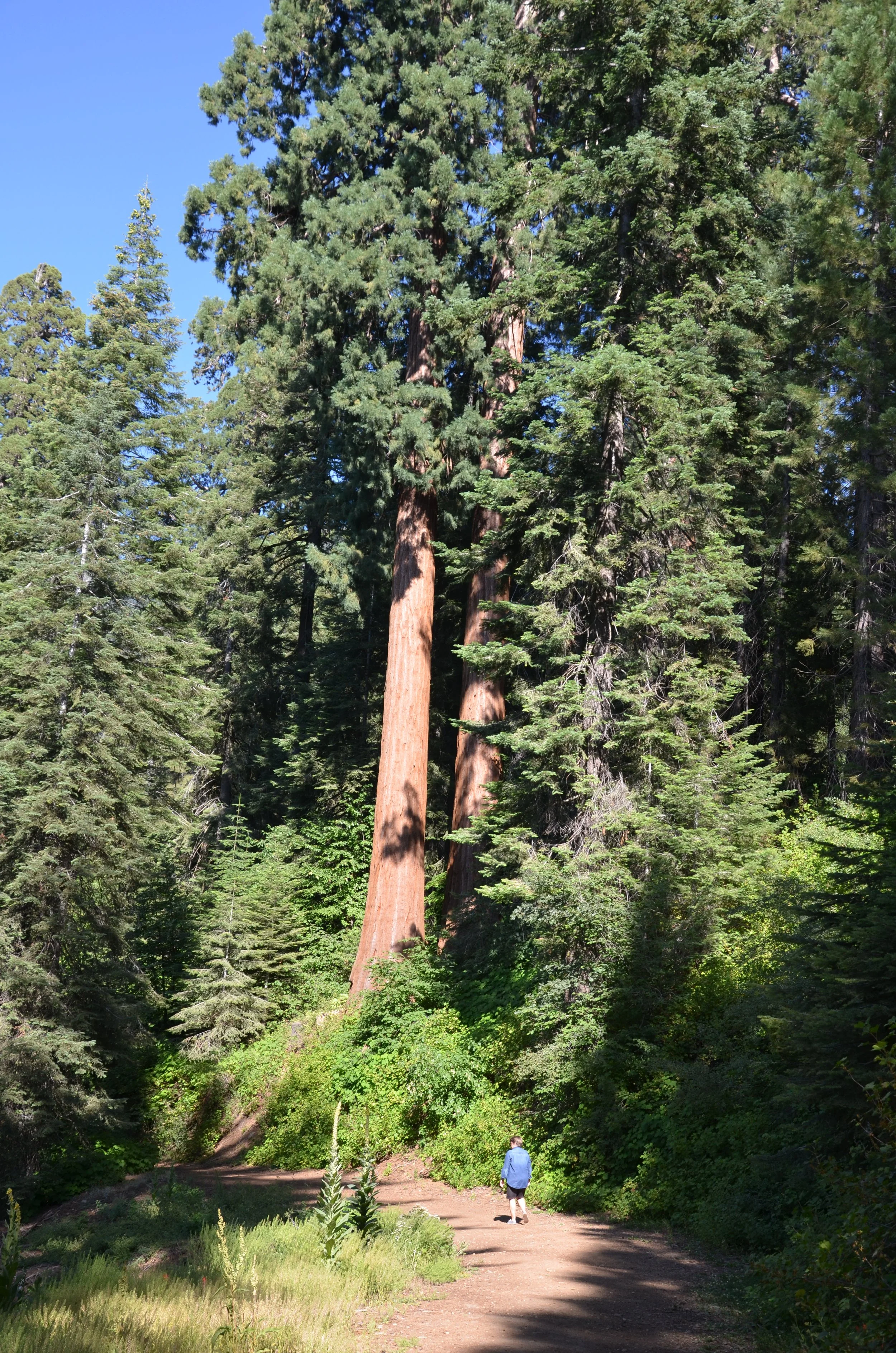
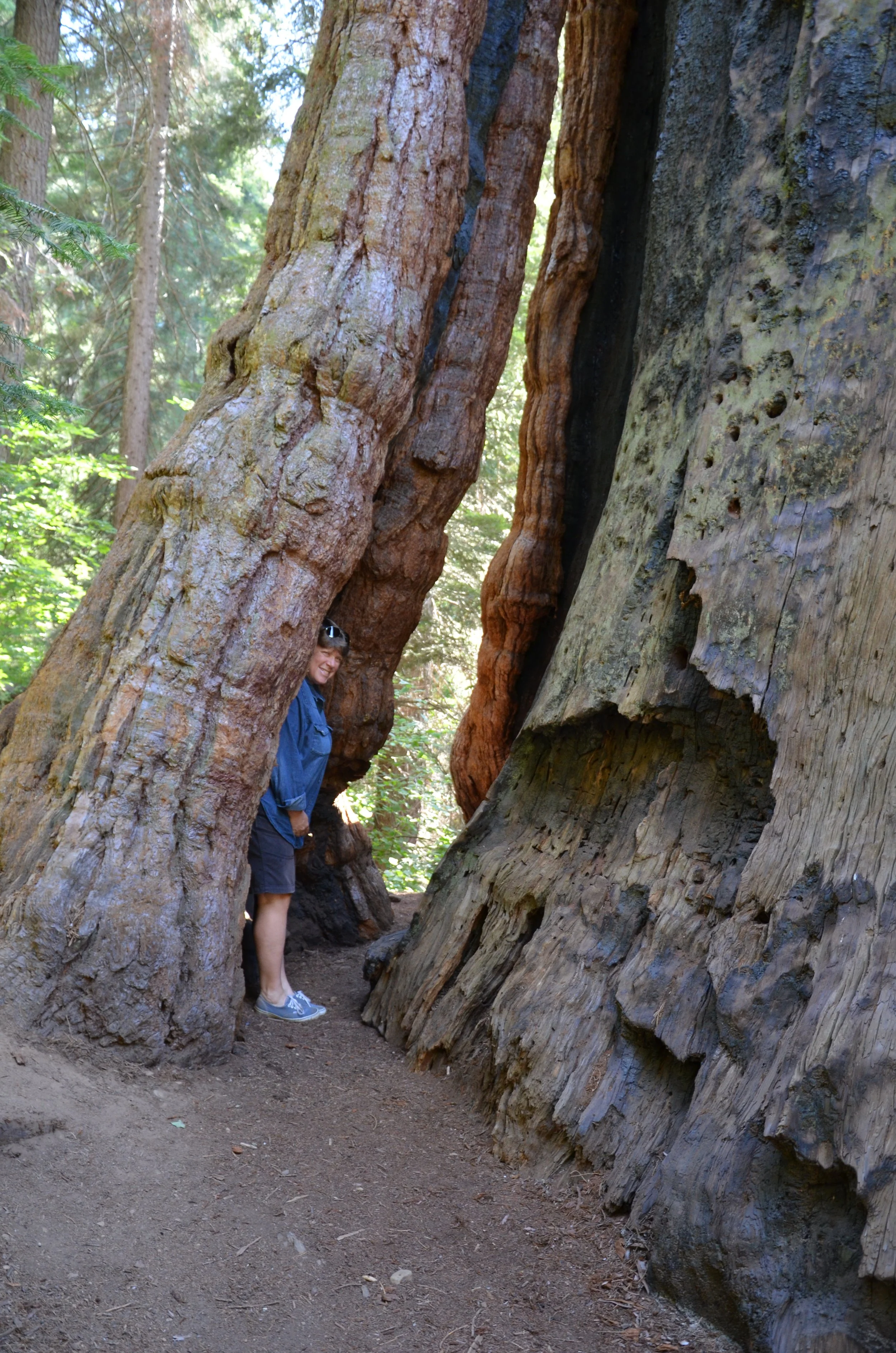
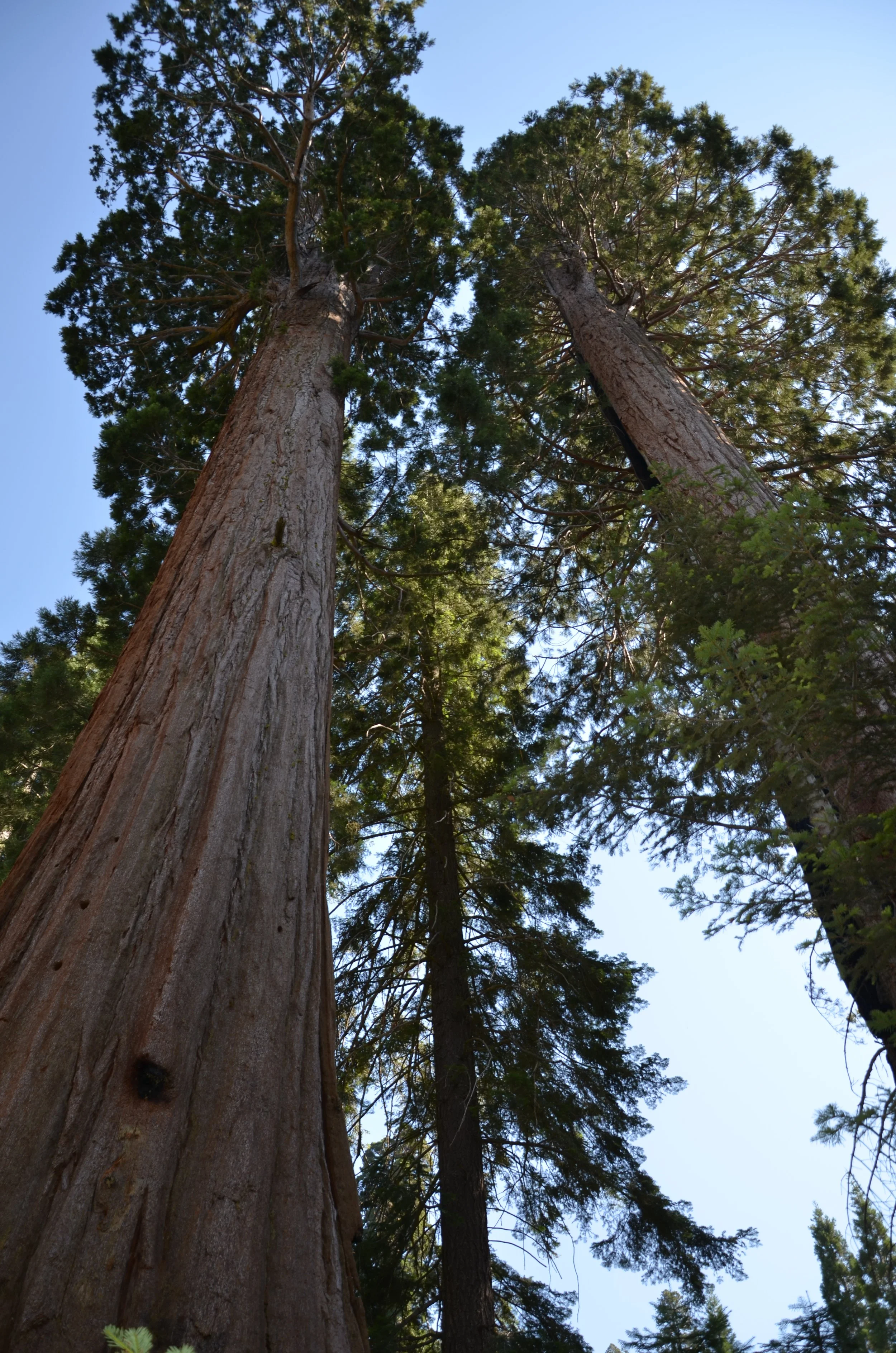
That’s a 5’4” Wendy Koenig hugging a 243 foot tall, 109 feet circumference Stagg tree.
Wendy had always been a nature girl. In addition to her days working at the bike shop in Louisville, she held a job with Quest Outdoors. She would often recall fond memories of going on backpacking trips to test equipment in a real-world setting.
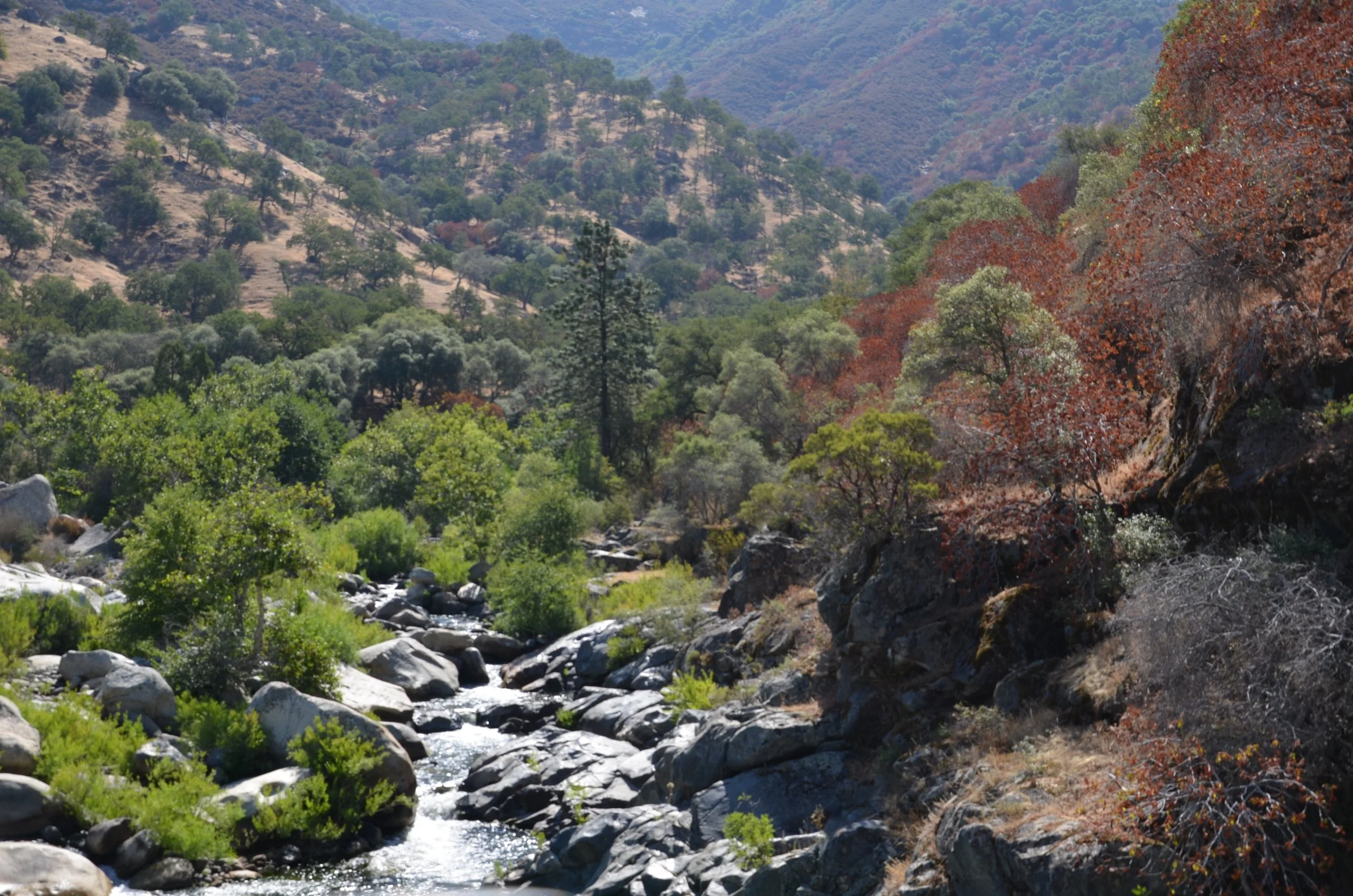
When we moved to California, she was on a personal mission to take in every aspect of this diverse state. We lived near the beach, hiked Joshua Tree in the desert, and made trips into the mountains. In July 2020, just as everyone was beginning to relax and explore again after COVID restrictions were lifted, Wendy booked us a cabin in Camp Nelson so we could visit Sequoia National Park. The goal was to see the largest tree in the world, General Sherman.
We drove for hours into the Sierra Nevada mountains. The minute we arrived, she went through a booklet she found in the cabin and saw a faded paper with information about the Stagg Tree. I was exhausted from the drive and could have settled down on the back deck, but she pushed us to find this 3,000-year-old sequoia. Thus, we got back in the car for a 10-mile drive. Then, it was another seven miles of unpaved road until it ended deep in the woods. We searched for the vaguely marked trailhead so we could hike another mile into the forest.
I distinctly remember following the narrow trail, winding around, up, and down as Wendy studied a hand-drawn map. Suddenly, it was right there, with its huge marker sign, and we had a private audience with the fifth-largest tree in the world. Honestly, it felt magical the second we arrived, and I was grateful. (By comparison, General Sherman was so swamped with visitors that we couldn’t even get close, let alone touch it!)
Nature’s Healing Role During Grief
I think about that trip and the others Wendy and I shared out in nature. These days, I head to the ocean’s shore or into the Redwood Forest whenever possible because a grief journey can feel overwhelming and disorienting, often leaving you unsure how to begin healing.
One meaningful and often overlooked source of support is the natural world. Research suggests that time spent in nature can ease emotional distress and support recovery. For instance, studies have found that patients with access to live plants during hospital stays often heal more quickly after surgery.
Think about it: what’s the small gesture people often turn to when someone is sick, hospitalized or has died? Sending flowers or a potted plant. In truth, it can offer more than simple kindness, research shows it positively influences emotional and physical wellbeing.
Here are other ways nature can support the healing process:
Encourages presence
Natural settings gently draw your attention to what’s happening right now. The sound of waves, the colors of a sunset, the stillness of a forest all help you become more grounded. This focus on the present moment can offer relief from the mental loops of memory and worry that often accompany grief.
Promotes movement
Grief can drain energy and make activity feel difficult. Spending time outside often leads to gentle movement, whether walking, gardening, or exploring. Physical activity helps release endorphins, which can improve mood and reduce discomfort, both physically and emotionally.
Offers perspective and connection
Nature reflects ongoing cycles of growth, loss, and renewal. Observing these patterns can help place personal loss within a broader context, sometimes bringing a quiet sense of understanding or acceptance.
Engages the senses
The feel of fresh air, the scent of trees or flowers, and the sounds of birds or water can be calming. These sensory experiences can soothe the nervous system and provide a subtle, restorative distraction from emotional pain.
Reduces stress and anxiety
Spending time outdoors has also been shown to lower cortisol levels, the hormone associated with stress. Because grief often heightens stress responses, this natural reduction can make it easier to process emotions and regain a sense of balance.
Ways to Reconnect With Nature
Not everyone who reads this will live in California. Not everyone will live driving distance to a National Park or even a local park. That doesn’t mean that engaging with nature is impossible. There are still benefits to be gained from:
Walks or hikes
In early grief, even stepping outside can feel like an effort. Short, regular walks—whether in a park, along the beach, or on a trail—can help restore both body and mind. Paying attention to your surroundings and breathing deeply can quiet racing thoughts.
Bird watching
Listening to birdsong has been linked to reduced anxiety and faster recovery from stress. Observing birds encourages stillness and shifts your focus outward, offering small moments of calm and even joy.
Gardening
Caring for plants can be grounding and purposeful. Watching something grow under your care can create a sense of continuity. Some people find meaning in planting something in memory of a loved one.
Camping
Camping or taking a nature retreat can deepen the experience. Being away from daily routines and distractions can create space for reflection and emotional processing.
Forest bathing
Known as shinrin-yoku in Japan, this practice involves immersing yourself in a natural environment and mindfully engaging your senses. It’s less about exercise and more about slowing down—walking gently, sitting quietly, and noticing what’s around you.
Journaling
Writing down your thoughts and observations while outdoors can help you process emotions and deepen your connection to the experience.
Photography
Capturing details in nature encourages you to look more closely and notice moments of beauty that might otherwise pass by.
As a general reminder, grief is deeply personal, and there’s no single path through it. Still, understanding that exploring the natural world can offer steady, quiet support. Get outdoors, if even for a few moments. It can bring moments of calm, clarity, hope, and reminders that while loss changes us, renewal remains possible.
Don’t miss future blog posts; sign up here and get them delivered directly to your email box.