
Getting Your Affairs in Order
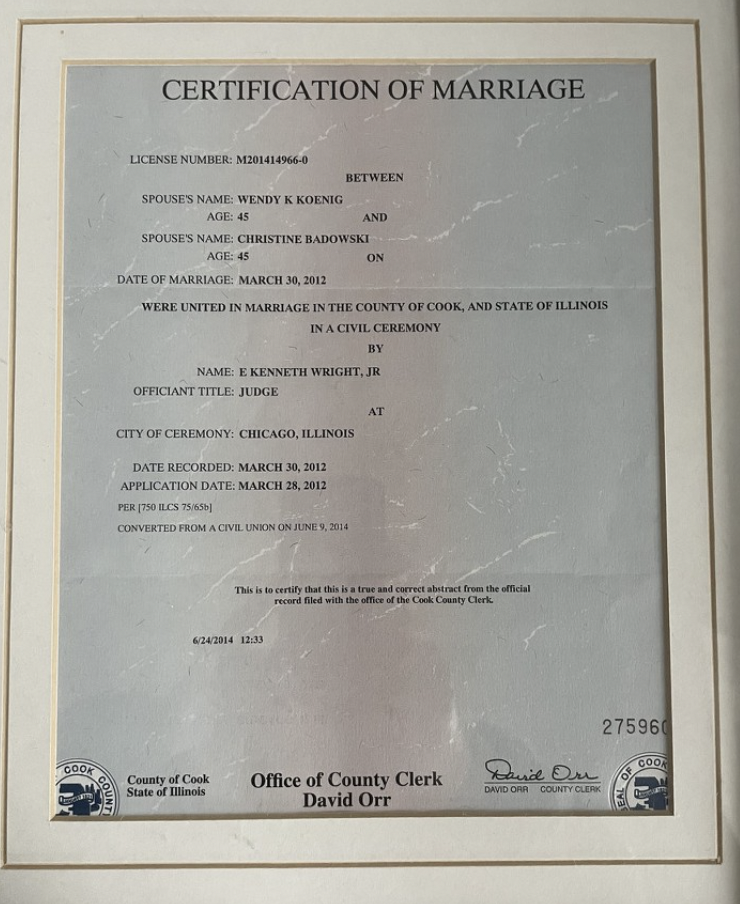
Our marriage license was indeed our most valued “important paper.”
It was February 1, 2022, and I had to leave Wendy alone in the emergency room because the still lingering COVID-19 restrictions only permitted her to be seen without visitors. When I was finally able to get into the hospital the next day, visiting hours were brief. As I was leaving, her doctor stopped me in the hallway and told me, “Get your affairs in order.”
My mind was immediately reeling. I went home and started searching through our files, looking for passwords, utility bills, anything that seemed important. We already had wills and a few legal documents in place, so I gathered those. But beyond that, I realized I didn’t really know what “important papers” included. It was a horribly stressful night filled with anxious sobs.
I don’t want anyone else to experience that same moment of feeling unprepared and unsure. If sharing my experience can help someone else navigate that kind of uncertainty with more clarity, then it’s worth it to explain the following as a practical starting point to help you and your family get organized.
Defining an ‘Important Paper’
While the answer will vary from one household to another, this is a good foundation:
Personal information
Full legal name
Social Security number
Primary residence
Date and place of birth
Names and addresses of your spouse and children
Locations of key documents such as birth, marriage, divorce, citizenship, or adoption certificates
Employment history (employers and dates)
Education and military records
Religious affiliations and contacts
Memberships, honors, and awards
Contact details for close friends, relatives, doctors, attorneys, and financial advisors
Current medications (review and update regularly)
Location of your living will and other legal paperwork
Financial information
Income sources and assets (such as pensions, IRAs, 401(k)s, interest, etc.)
Social Security and Medicare/Medicaid details
Insurance policies (life, health, long-term care, home, auto), including policy numbers and agent contact information
Bank accounts and account numbers (checking, savings, credit union)
Investments (stocks, bonds, property) and broker contact information
Most recent tax return
Location of your signed will
Outstanding debts, including property taxes—amounts owed, to whom, and due dates
Mortgages and loan repayment details
Location of property deeds
Vehicle title and registration
Credit and debit card details
Safe deposit box location and key access
Steps to organize your records
Keep your important documents together in a secure, accessible place—such as a file system, drawer, or clearly organized notebook.
If originals are stored in a bank safe deposit box, maintain copies at home.
Review your documents annually and update as needed.
Let a trusted person know where everything is stored. You don’t need to share details—just ensure someone can locate them in an emergency. If you don’t have someone you trust, a lawyer can help.
Talk with your doctor about your preferences for future medical care. These conversations can clarify your wishes and help ensure they are respected.
Provide written permission in advance for your doctor, lawyer, or financial institutions to communicate with a designated caregiver if needed.
Legal Documents to Consider as You Age
Many different types of legal documents can help you plan how someone will handle your affairs in the future. Since terminology can be confusing, make sure you understand each document and your state’s specific requirements.
Wills and trusts: Specify how your money and property should be distributed after your death.
Advance directives: Outline your healthcare preferences if you are unable to communicate them. Common types include:
Living will: Details the type of medical care you do or do not want
Durable power of attorney for healthcare: Appoints someone to make medical decisions for you
Powers of attorney for legal matters:
General power of attorney: Grants authority to act on your behalf but ends if you become incapacitated
Durable power of attorney: Remains in effect even if you can no longer make decisions
You may want to consult with a lawyer to set up documents such as powers of attorney, trusts, or advance directives. Be sure to ask about fees in advance.
To find legal assistance, you can search online directories, visit your local library, or contact your local bar association. Many bar associations can also connect you with free or low-cost legal aid.
Other Common Questions to Consider
Who should serve as your healthcare proxy?
Choose someone who understands your values and is willing to make decisions on your behalf. This could be a family member, friend, attorney, or trusted community member.
How do you make decisions for an aging loved one who can no longer decide for themselves?
This can be overwhelming. It helps to learn about care options, anticipate potential challenges, and ask informed questions so you can act in their best interest.
What if someone has Alzheimer’s or dementia?
Because these conditions affect decision-making over time, it’s especially important to plan early while the person can still participate meaningfully.
Is organ donation different for older adults?
There are resources available for individuals over 50 who are interested in donating organs, including guidance on how to register.
Understanding what “an important paper” is long before a doctor utters that heartbreaking directive is vital. Having your home in order is never morbid; it’s practical and as essential as having a fire extinguisher in working condition should you ever have the need to break the glass in case of emergency. Consider such difficult conversations as the ultimate gift of love for your family because being prepared helps more that you can know.
This information has been adapted from guidance provided by the U.S. Department of Health and Human Services.
Don’t miss future blog posts; sign up here and get them delivered directly to your email box.