How Do You Mend a Broken Heart?
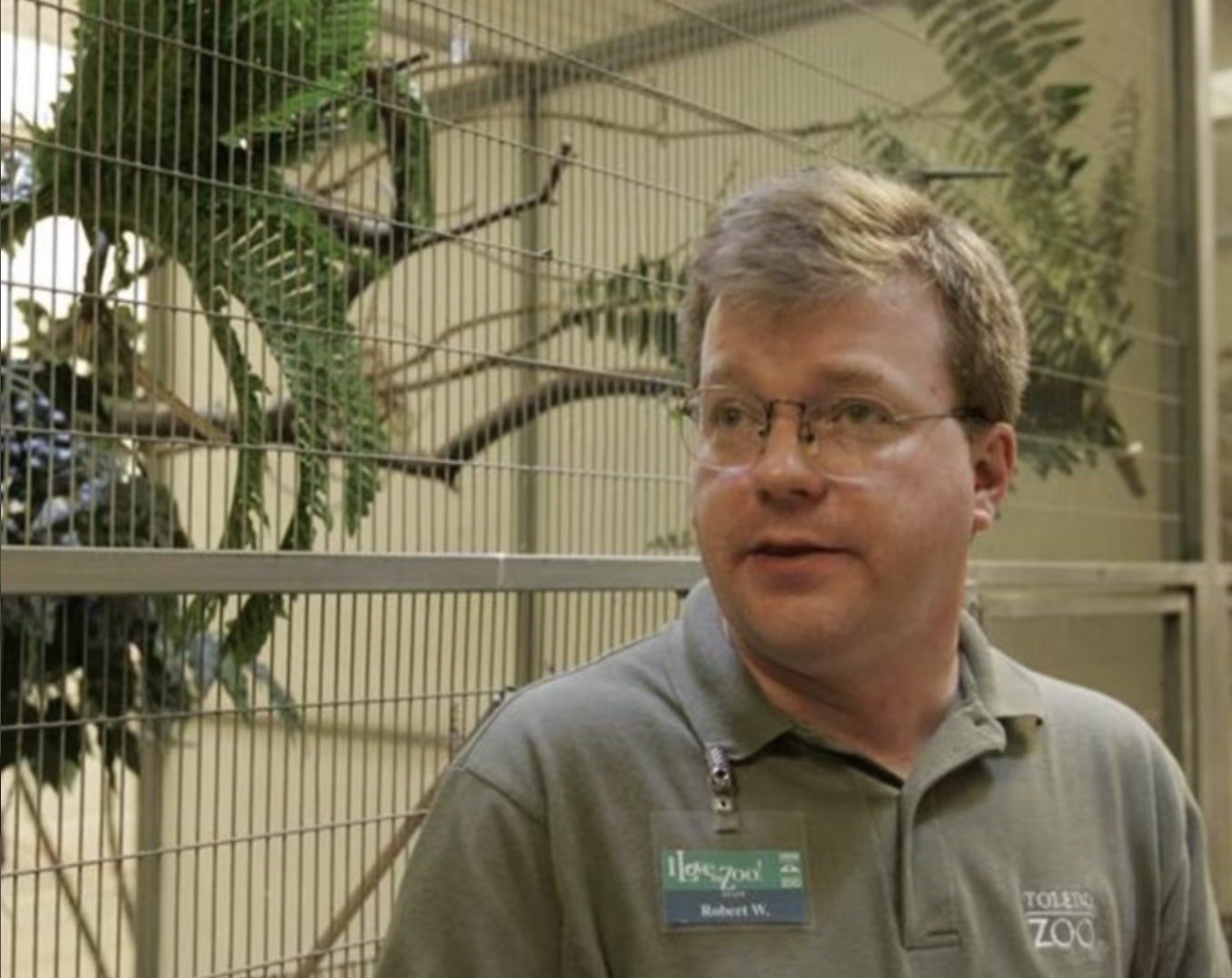
When I think of Bobby Webster, I remember December 2021. He visited my mother-in-law’s house during the holidays on his way to see his sister. We sat in the living room, and his deadpan humor filled the evening with stories that made us all belly-laugh. Every visit felt like this. I always begged him to please stay longer and spend the night in the spare bedroom, but he had other commitments. He’d leave us wanting more, and I couldn’t understand why ornithology interested him more than writing comedy, a field he would have surely succeeded in.
That Christmas was the last time he and Wendy were together. Nine months later, she succumbed to Stage 4 colon cancer.
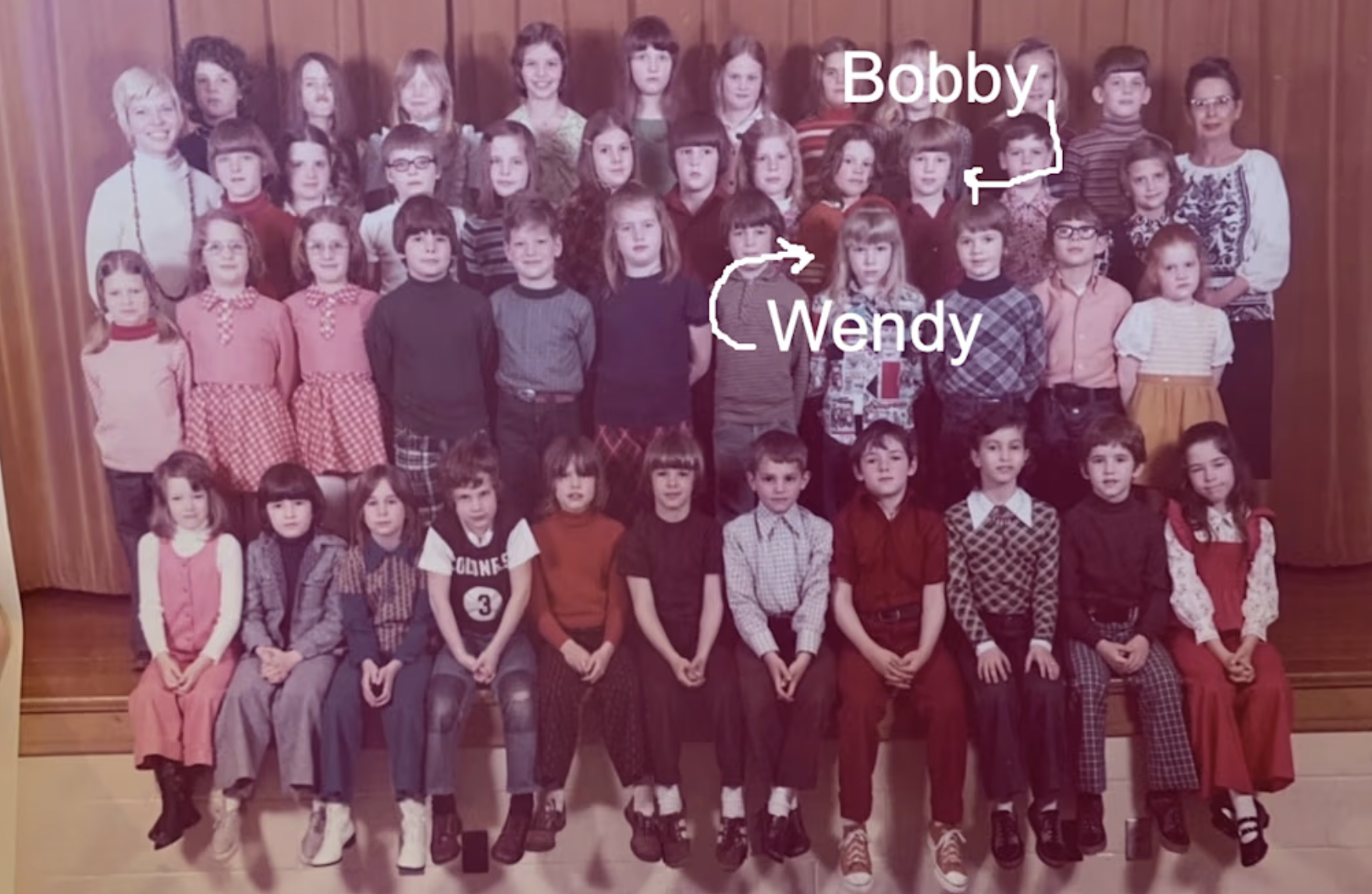
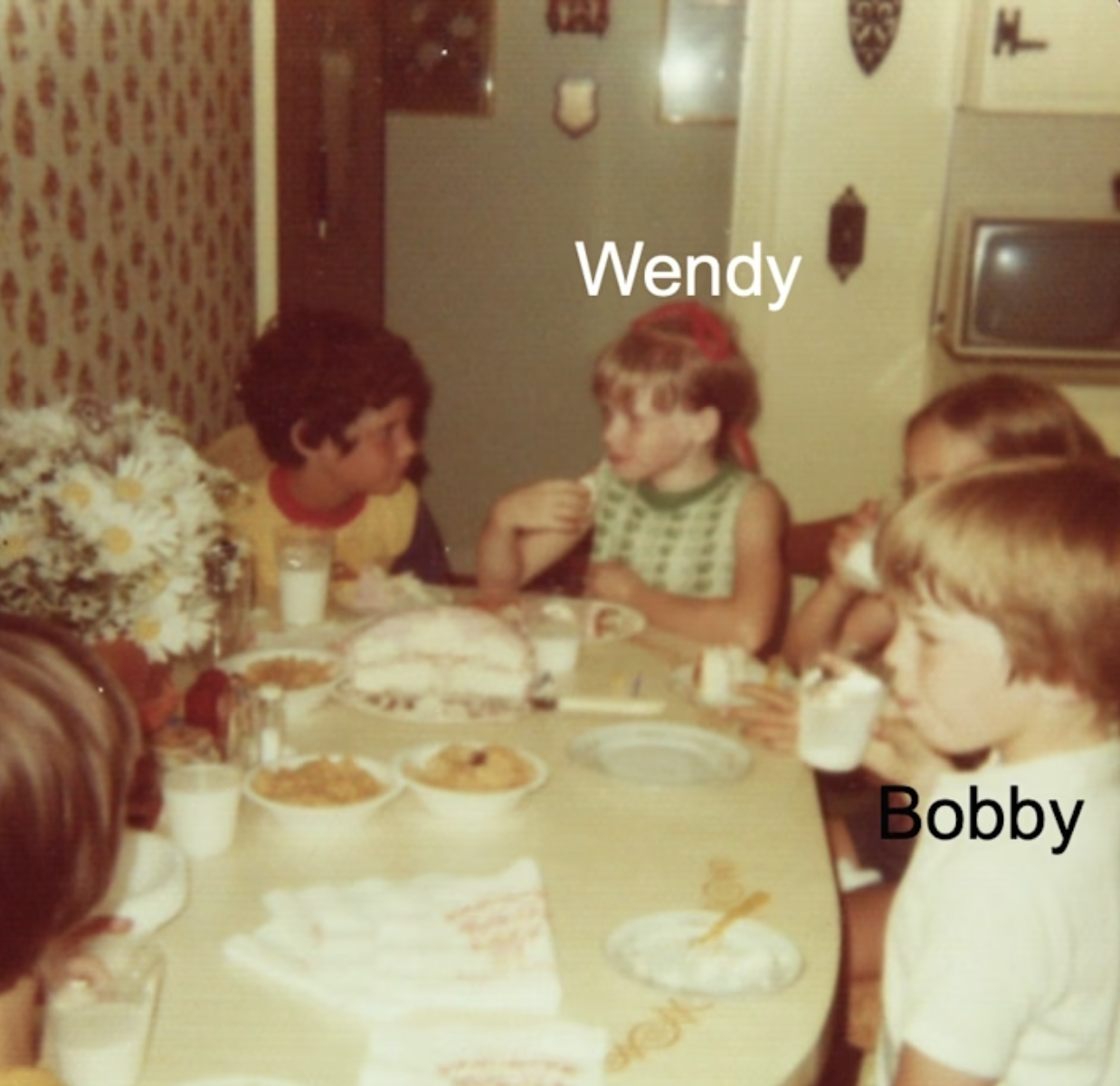
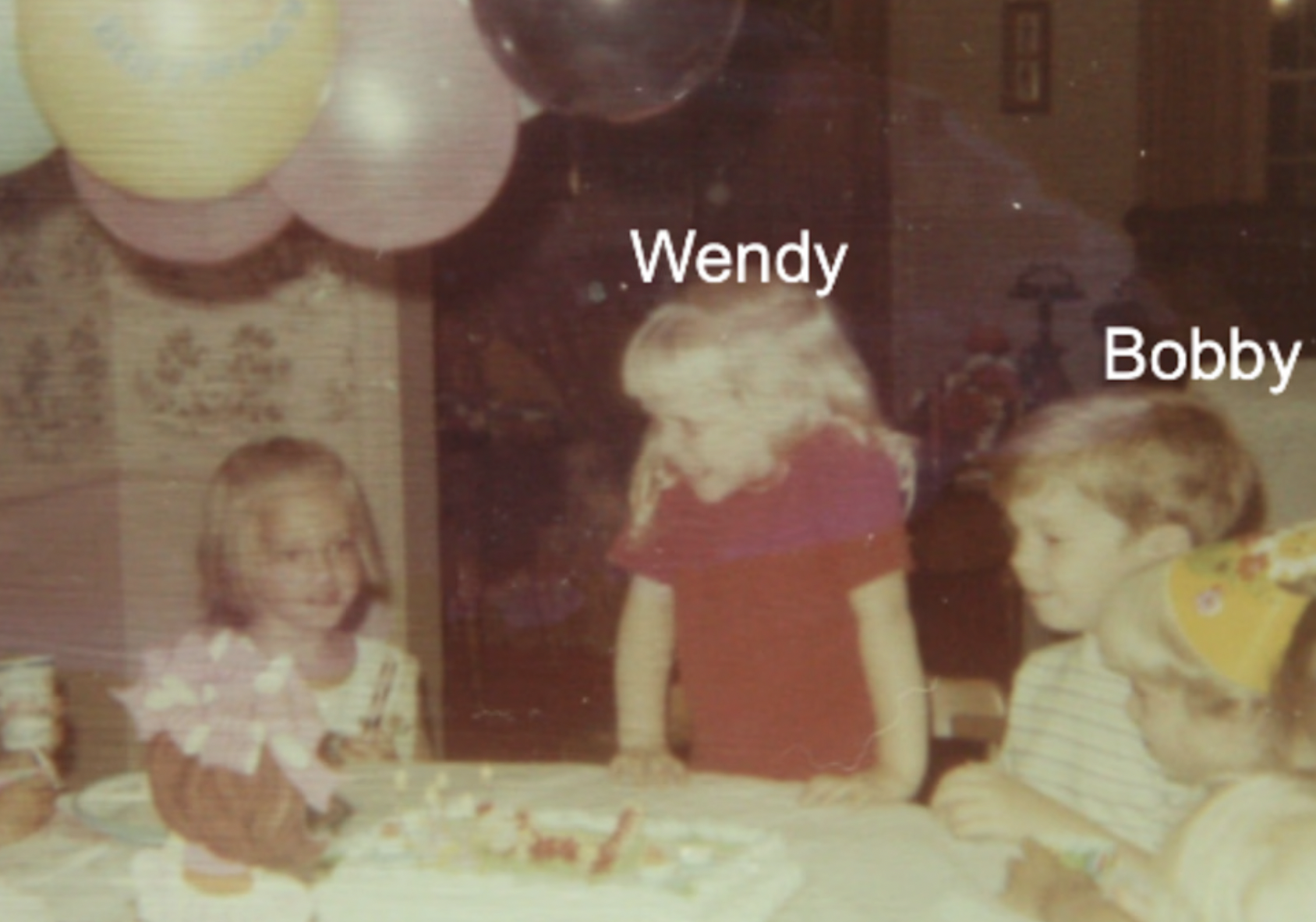
After her death, I reached out to Bobby, desperate to connect with Wendy in any way I could, even if it was through stories other people shared. He did not disappoint. They had been friends since preschool and told me tale after tale. The one I treasured the most was about a time they rode the bus home from school, and he decided to get off at her stop only so he could spend more time talking to her. He then walked the four blocks home afterwards. I confessed that had I been in grammar school with them, I would have done the same. There was nothing I loved more than talking for hours with my wife.
During some of the darkest nights of my new grief, I would call Bobby, and without fail, he brought my wife back to life with stories I longed to hear and made her feel closer. He also filled the emptiness of my lonely days, telling me about his role at the Lincoln Park Zoo, where he served as Hope B. McCormick Curator of Birds.
I made a point of meeting with him at the zoo in August 2023. I had business in Chicago and desperately wanted to spend time with him. He met me at the zoo gate, and I physically collapsed when I saw him. We were both so broken by Wendy’s loss just 10 months before. Seeing each other without Wendy at my side made it real for both of us.
Bobby took me in in arms and held me for a long time. Then he took me on an after-hours tour, during which he pointed out his favorite bird species, the lesser green broadbill.
At one point, while walking through a corridor, a large white feather came across our path. We both knew the significance, as feathers are often regarded as gentle validation that a loved one is still present, watching over you. With the feeling that we likely could both burst into tears, Bobby quickly spoke up and dismissed it by saying, “We are in a bird house.”
Later that evening, after we departed and I joined my company event, I wept alone from the crowd of coworkers and thought that if anyone was taking Wendy’s loss harder than me, it was Bobby. After all, she and I had spent 11 years together. Bobby had known her for 52 years.
Weeks went by, and I only reached his voicemail whenever I phoned. Emails went unanswered. I was hoping he wasn’t suddenly and uncharacteristically ghosting me as other friends had done because the grief was too much to face. I finally broke my long-held rule against bothering someone at work and called the zoo. The woman who answered told me, “I’m sorry, he’s no longer with us.”
Shocked by this news, I revealed to her that Bobby was my wife’s oldest friend and she’d passed away. She didn’t have to tell me if Bobby had been fired, but I wondered if she could get word to him that I called. “No,” she quickly interrupted, “I’m sorry, he died.”
I had been standing in my living room while making that phone call, and again, I collapsed to my knees. Just 11 months since Wendy’s passing, Bobby was gone, too. It was too much to bear. His sister, Paula, later told me she thought he died of broken heart syndrome. It’s not simply a metaphorical expression. There are physical symptoms.
In fact, the condition was one I knew too well, having written about it for the Grief and Loss Toolkit I created for CuraLinc Healthcare. Takotsubo cardiomyopathy or stress-induced cardiomyopathy is a temporary condition that affects the heart. In people with this condition, extreme emotional or physical stress, like grief, can lead to heart muscle failure. Signs and symptoms of the condition mimic those of a heart attack and may include sudden chest pain, shortness of breath, and an irregular heartbeat.
In fact, as Paula, a nurse who has been practicing for years, explained, her brother called her while driving to the emergency room because he was short of breath and wasn’t sure why. He later died of a massive heart attack.
Colleagues at the zoo have described Bobby as “a very wise and talented curator” who “had a way with words and birds.” I’ve always thought that a very precise description of one of the best friends we had.
For most of their lives, it was Bobby and Wendy, Wendy and Bobby. Wendy and I even talked about how we could all live together in our retirement, and we imagined how that life could be, even looking into properties in Colorado where we could gather. Instead, I now have to believe they finally connected in another realm, perhaps both spending time with the birds, cats, and dogs they so loved and were featured in Bobby’s obituary and Wendy’s obituary.
Don’t miss future blog posts; sign up here and get them delivered directly to your email box.