When Grief Gets Uphill, It’s Okay to Ask for a Boost
What my e-bike made me realize about the grief journey.
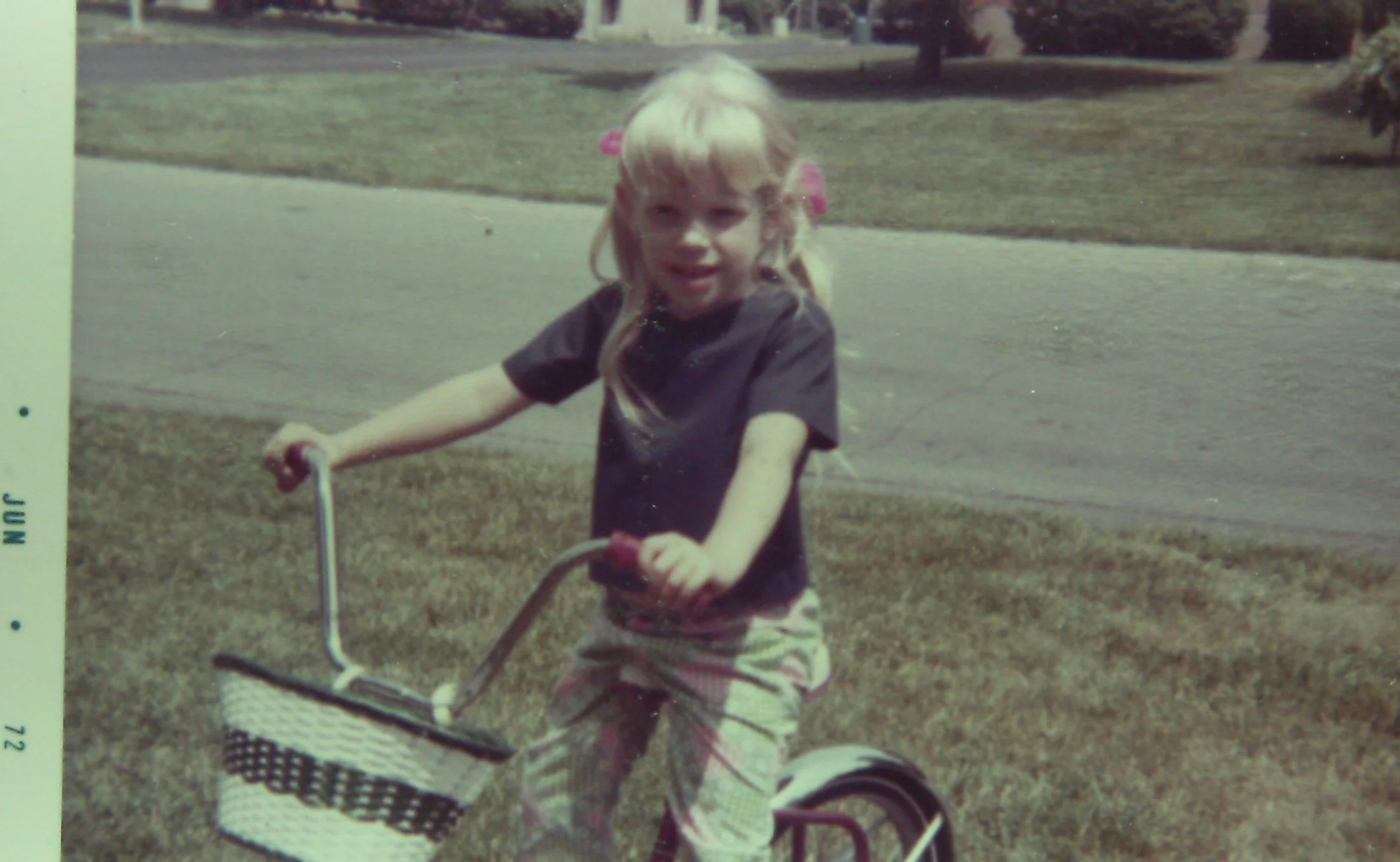
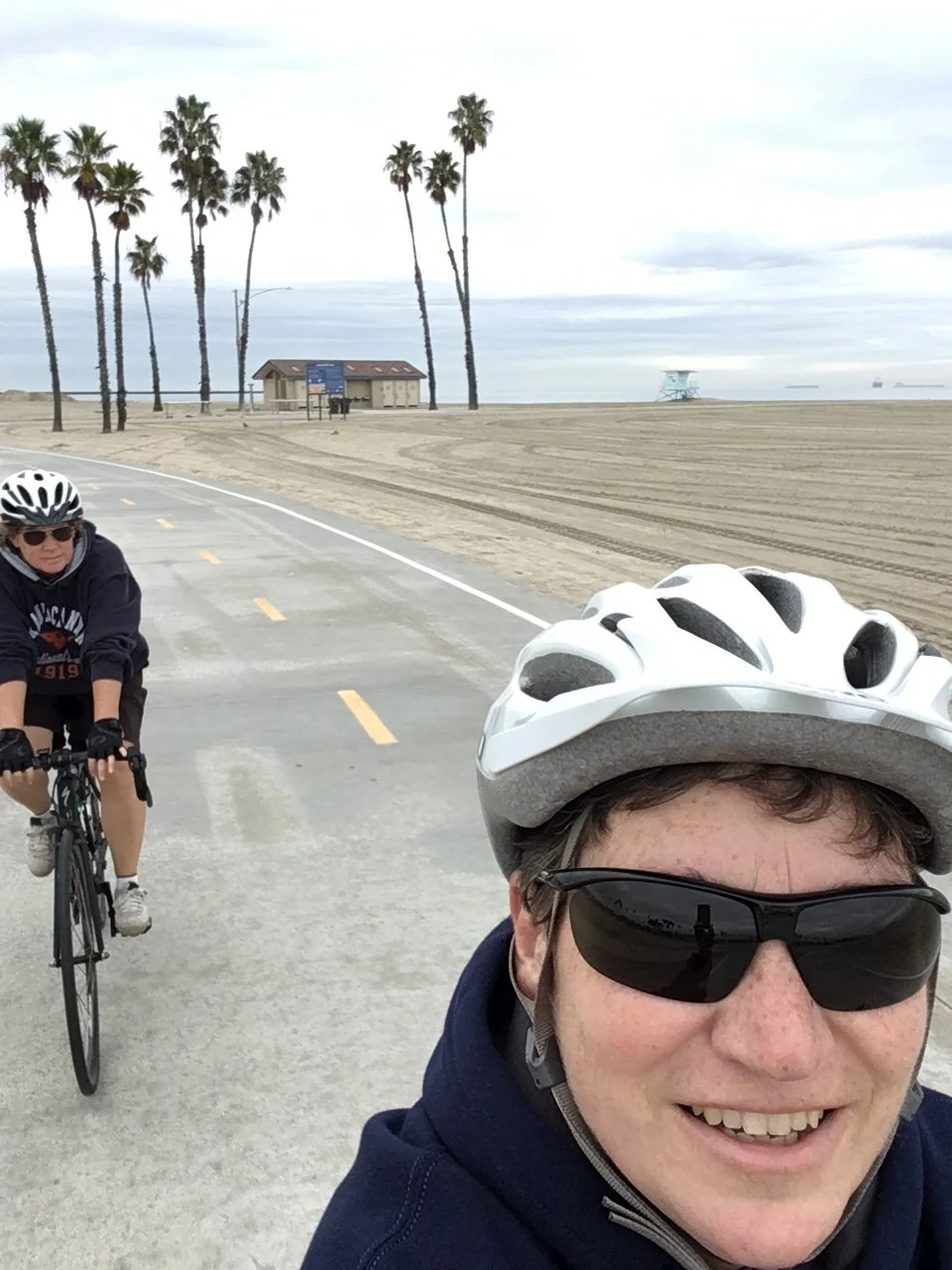
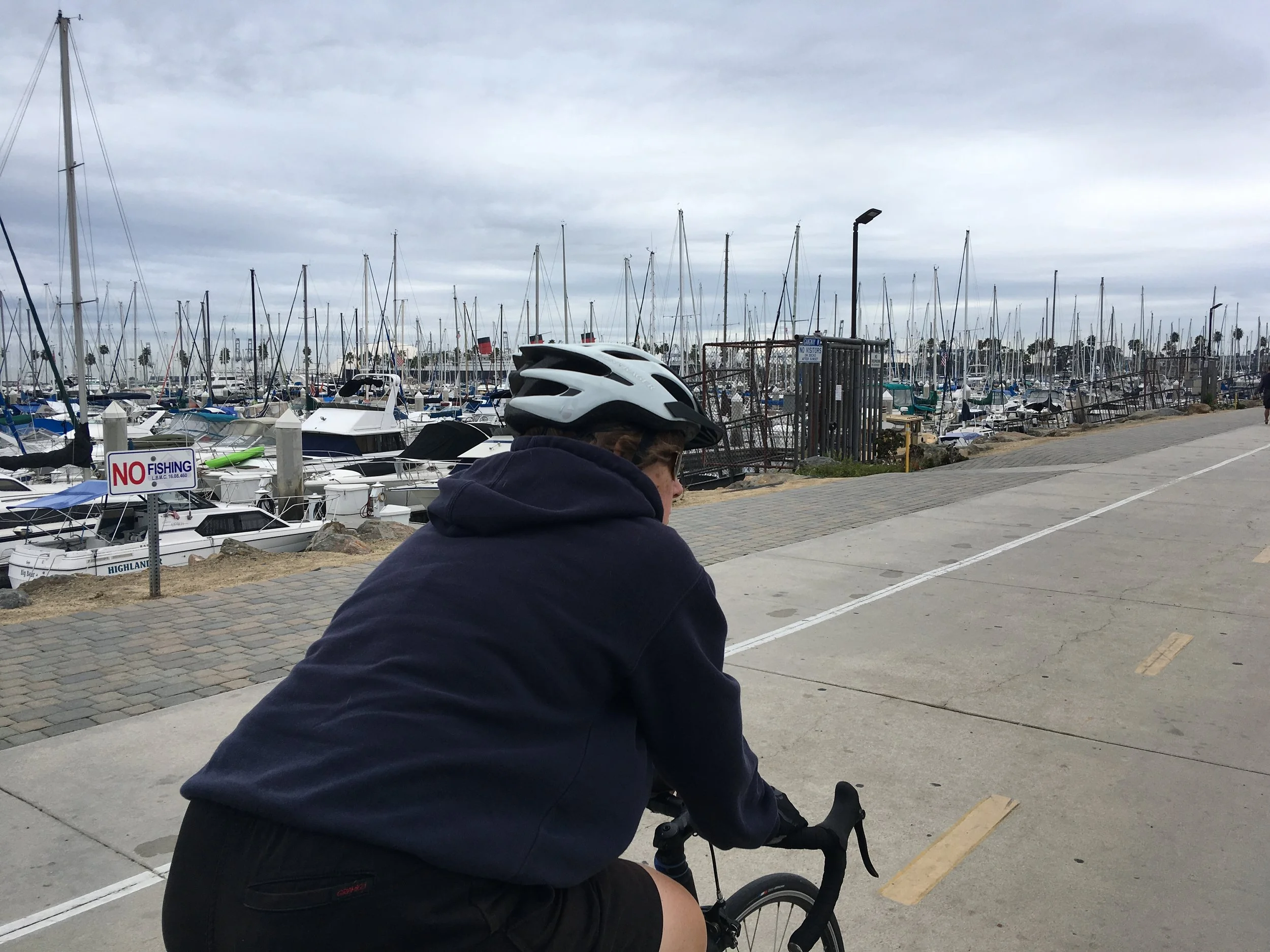
From a very young age, I learned to ride a bike as a means of escape and exploration. Wendy did, too. So, when we first found each other, cycling became something we enjoyed together. We’d ride for miles along a trail in Maywood, Illinois, or Chicago’s lakefront. When we moved to California, the path along the ocean in Long Beach or Redondo Beach to Santa Monica were slices of heaven: miles of car-free, paved trails along an iconic, sun-drenched stretch of coastline.
We’d always clock at least 10 miles. Wendy was adamant about that. On a couple of occasions, when we’d just barely passed nine miles, we’d ride around the block in our neighborhood until we hit 10. Only then could we go home.
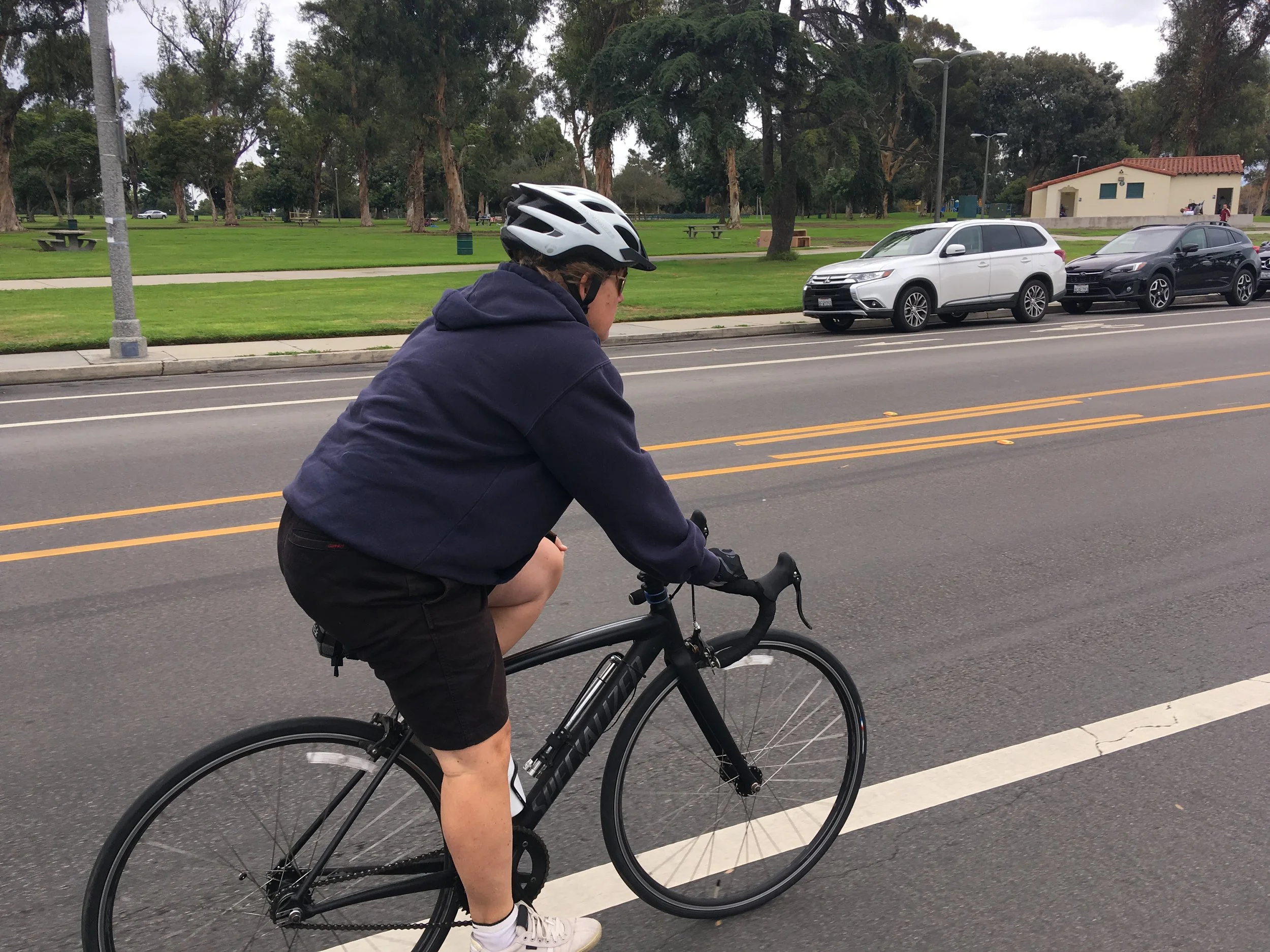
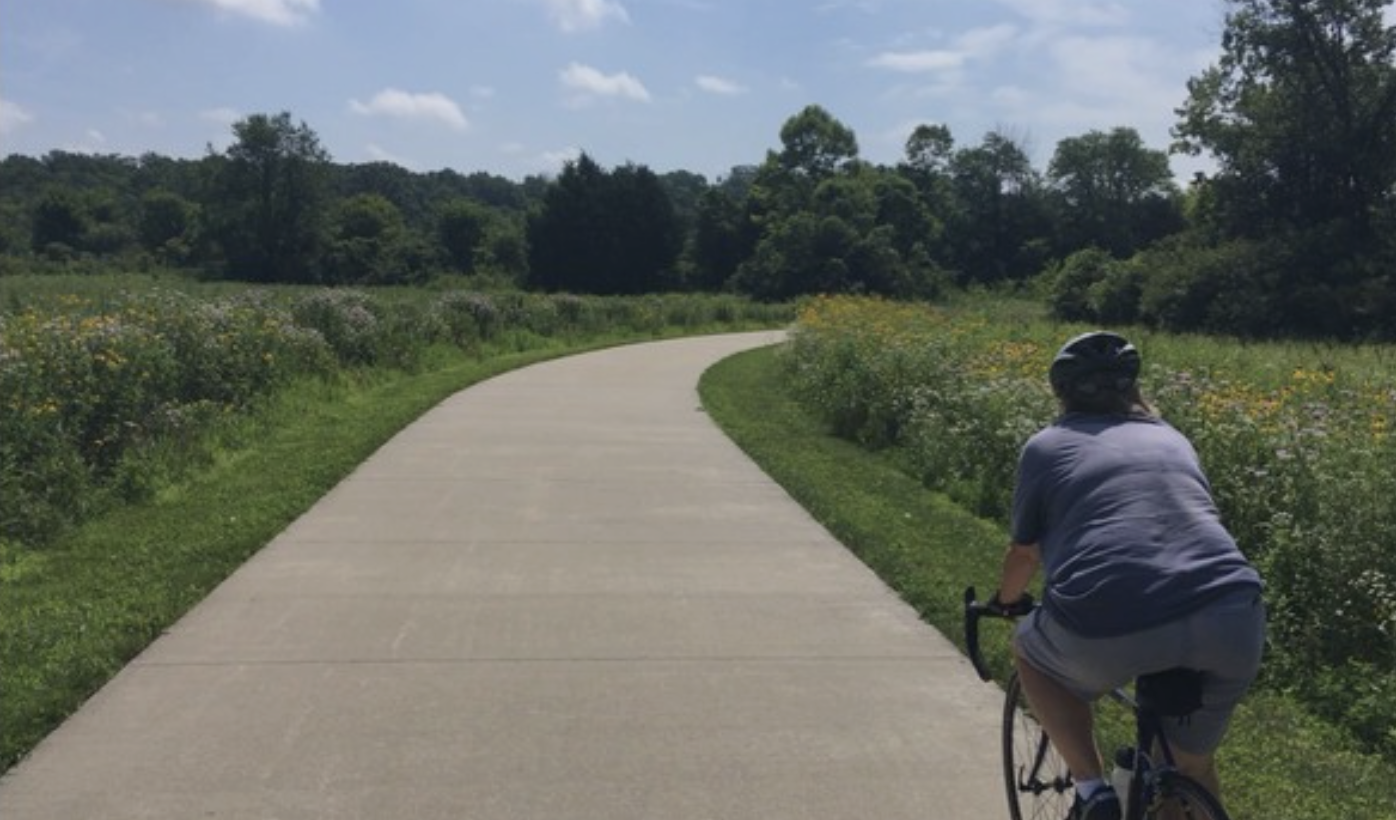
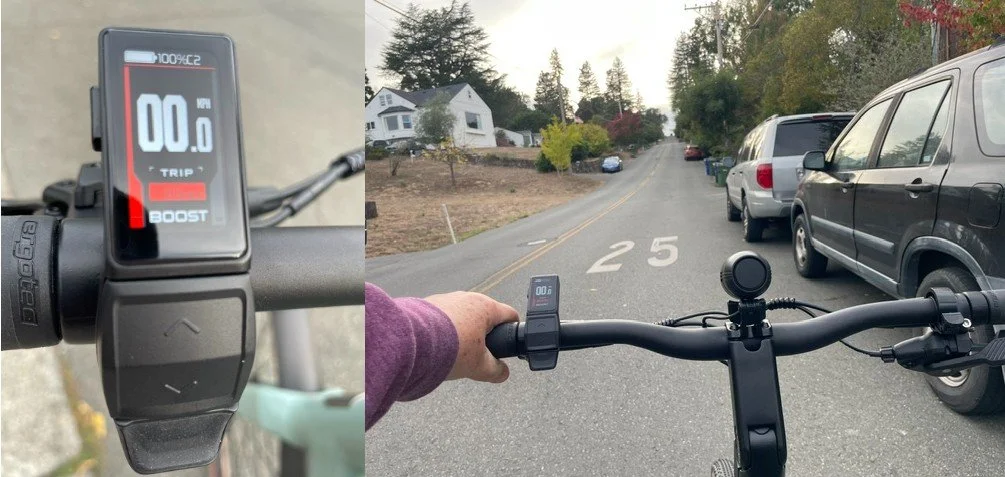
When I moved from flat sea-level to the much hillier terrain of Sonoma County, cycling became a challenge. In an effort to make the ride more enjoyable, I purchased an e-bike. Now, when the grade gets a bit excessive, I have the option of pressing a button for a “boost.” Once I reach the hilltop, I can return to my regular pace.
What does this have to do with grief?
During a recent ride, I realized that some of the grievers I’ve met along my own grief journey seem to believe they must figure it all out on their own. While each person’s experience is unique, I’ve discovered that there is no shame in asking for a helping hand during some of the roughest parts of the ride.
Just as I cycle along at a regular pace, much of my day-to-day life involves navigating the loss of Wendy. But then there are moments when the waves of grief hit, and everything becomes more challenging. During those times, I’ve reached out for support from a counselor or a grief group.
I’m grateful for those “boosts” whenever I need them along the path. Sometimes, the strength to keep moving forward comes from knowing when to accept a little help along the way.
Resources
If you or someone you know needs a boost now and then to help support the grief journey, explore these organizations. In addition to national groups, I’ve sprinkled in some local links:
LGBTQ Grief
Grief & Loss Support Group – Center on Halsted
773-472-6469
A peer-led group for Chicagoans who have experienced loss. No RSVP needed. Open to ages 55+.
Grief & Loss Support Group – The Pride Center at Equality Park
This group meets on the 1st and 3rd Monday of each month from 6-7pm for residents in South Florida.
Healing Rainbows – Hospice of the Valley
602-636-5390
A free virtual grief group for the LGBTQ community in Maricopa and Pinal counties in Arizona. It meets the 2nd and 4th Tuesday of each month, 6–7:30 p.m. Call to register and get the Zoom link.
Heartlight Center Virtual LGBTQ+ Grief Support Group
An ongoing monthly peer support and educational group meeting on Zoom on the second Monday of each month.
HopeHealth
844-671-4673
Provides a safe, confidential, and supportive setting for LGBTQ+ in Massachusetts and Rhode Island.
LGBTQIA+ Bereavement Support Group – Fenway Health's LGBTQIA+ Aging Project
857-313-6590
For Massachusetts residents, this free 8-week group is led by a licensed clinical social worker, open to LGBTQIA+ people of any age who have lost a family member, friend, or partner. Registration is required.
Living with Loss Grief Support Group – Openhouse
415-296-8995
In San Francisco, this free drop-in grief group for LGBTQ older adults is run by Openhouse with VITAS Healthcare. It meets the 2nd and 4th Fridays of each month, in person in San Francisco or online.
The LOFT LGBTQ+ Center Grief and Loss Discussion & Support Group
914-948-2932 ext. 13
A group in White Plains, New York for LGBTQ+ adults grieving any kind of loss, such as a partner, family member, pet, job, or health. It meets on Zoom the 1st, 3rd, and 5th Sundays, 1:00–2:30 p.m. ET.
Queer Grief Club
This Portland, Oregon grief meetup group is built around activities, for LGBTQ+ people. It was founded by Jamie Thrower, a death doula and grief educator.
SAGE National LGBTQ+ Elder Hotline
877-360-5428 (877-360-LGBT)
The hotline connects LGBTQ+ older adults with listeners and refers them to support such as counseling and emotional support programs. It runs 24/7 in English and Spanish, with translation in 180 languages.
Loss of a Spouse
American Widow Project
Peer-to-peer support to a new generation of military widows grieving the loss of a spouse in the United States Armed Forces.
Gold Star Wives
888-751-6350
Provides support for surviving spouses and children of those who lost their lives due to military service in the Armed Forces of the United States.
Soaring Spirits International
877-671-4071
Offers peer support programs for anyone whose spouse or partner has died, regardless of marital status, gender, sexual identity, or religion. Camp Widow holds weekend and one-day events across the U.S. and internationally. They have specific LGBTQ Camp Widow pop-up events. The organization also has an online community plus local in-person social groups in some regions.
TAPS – Tragedy Assistance Program for Survivors
800-959-8277 (800-959-TAPS)
For military families, find support for spouses, parents, children, and friends of military members who have died. It runs a national toll-free crisis and information line.
Loss of a Parent
Comfort Zone Camp
804-377-3430
Offers free camps and support groups for children ages 7–17 who have lost a parent, sibling, or primary caregiver, plus programs for young adults ages 18–25. Open to families nationwide. Camps are held mainly in California, Massachusetts, New Jersey, North Carolina, and Virginia, so some families will need to travel.
Dougy Center: The National Grief Center for Children & Families
503-775-5683
Provides free grief support to children, teens, and young adults whose parent, sibling, or friend has died, and also supports their parents and caregivers. Its online resources are national. Groups meet both virtually and in person, but in-person groups are local to the Portland, Oregon area.
National Alliance for Children’s Grief
866-432-1542
Raises awareness about the needs of children and teens who are grieving a death and provides education and resources for anyone who supports them.
Loss of a Child
Bereaved Parents of the USA
724-370-3787
A volunteer community of parents, siblings, and grandparents who have lost a child, sibling, or grandchild, offering a safe space to share and rebuild. Local chapters are available in many states.
The Compassionate Friends
877-969-0010
Supports families after the death of a child of any age, from any cause. It has more than 640 local chapters in all 50 states, Washington DC, and Puerto Rico.
Empty Arms
413-570-0811
Free support group open to parents whose babies have died through miscarriage, stillbirth, early infant death, or termination for medical reasons, who identify as LGBTQ+, residing in any location.
First Candle
203-966-1300
Provides 24/7 bereavement support to families who have lost a child to Sudden Infant Death Syndrome (SIDS) and other sleep-related infant deaths.
Gold Star Moms
202-265-0991
A private nonprofit organization of mothers who lost sons or daughters in service of the United States Armed Forces.
Helping Parents Heal
A non-profit organization dedicated to assisting parents whose children have passed.
MISS Foundation
602-279-6477
An international 501(c)3, volunteer-based organization providing C.A.R.E.S. (Counseling, Advocacy, Research, Education and Support) services to families experiencing the death of a child.
National Organization for the Parents of Murdered Children
513-721-5683
Provides support and assistance to all survivors of homicide victims.
Loss of a Sibling
The Compassionate Friends
877-969-0010
Adult siblings are welcome at all chapter meetings, and some chapters have sibling groups for ages 14 and up. National.
COPE Foundation – Sibling Support Groups
For New York and Long Island residents, these peer support groups are for adults grieving a brother or sister from any cause.
Experience Camps
833-226-7385
Any child who has experienced the death of a sibling, parent, or primary caregiver can attend a free week of supportive camp and access supportive programs.
Loss of a Friend or Classmate
National Center for School Crisis and Bereavement
877-536-2722
A nonprofit organization dedicated to helping schools support their students through crisis and loss. In partnership with the Children’s Hospital Los Angeles.
Students Grieving Coalition to Support Grieving Student
877-536-2722
A collaboration of the leading professional organizations representing educators, school counselors, school nurses, school psychologists, school social workers and other student support personnel to assist grieving students.
Loss of a Pet
The Association of Pet Loss and Bereavement
A non-profit organization that supports all those who are grieving the loss of a beloved pet.
Cornell University Pet Loss Support Hotline
607-218-7457
Staffed by veterinary student volunteers trained by professional grief counselors.
Lap of Love Pet Loss Support
855-352-5683 (855-352-LOVE)
Offers online pet loss support groups.
Tufts University Pet Loss Support Helpline
508-839-7966
Run by trained veterinary students at Tufts. It helps people facing euthanasia or a pet's death, and also people who had to give up a pet or whose pet went missing. It is staffed Monday–Friday evenings.
Cancer Survivor Groups
American Cancer Society – Cancer Survivors Network
800-227-2345
An online community where survivors and caregivers connect with others who understand. The helpline is staffed around the clock by trained cancer information specialists.
Cancer Support Community-Gilda's Club
888-793-9355
Its free helpline assists patients and their loved ones find information, local support groups, or someone to listen, available in English and Spanish. In-person services are offered through more than 52 local affiliates in the U.S. and Canada.
Imerman Angels
866-463-7626 (866-IMERMAN)
Free one-on-one peer mentoring that matches people facing cancer and their caregivers with a survivor or caregiver of similar age, gender, and cancer experience. It also supports widows and widowers.
Suicide Loss
American Association of Suicide
A 501 nonprofit organization that advocates for suicide prevention. Established in 1968 by Edwin S. Shneidman, who has been called "a pioneer in suicide prevention." Empowering all toward resilient lives, inspiring hope and preventing suicide through the advancement of suicidology.
Samaritans
617-536-2460
Offers loss survivors comfort and connection through virtual and in-person suicide grief support groups, one-on-one meetings, webinars, and events that assist survivors in their bereavement journey.
Of course, this is not an extensive list. If you’re seeking help in your community, you could:
Dial 211 for information
Check with local hospices
Reach out to your local LGBTQ community center
Ask at your local funeral home
Explore options at senior centers
Inquire with the leader of your faith community
Additionally:
Psychology Today lists grief support groups and therapists by zip code.
National Alliance for Children's Grief has a directory of programs to help caregivers and professionals locate local childhood bereavement programs and support services.
Many employers offer an Employee Assistance Program (EAP) with free, short-term counseling sessions, including grief counseling. Contact your HR department to learn about options available to you.
And finally, it’s worth noting that if grief turns into a crisis:
Call or text 988, the Suicide & Crisis Lifeline
LGBTQ young people can also reach The Trevor Project at 866-488-7386
I can’t stress enough how deeply I understand the dark days, the waves of grief that come out of nowhere, and the confusion that can leave you feeling lost. Humans are social beings, and we weren’t meant to navigate so profound as the loss of a loved one on our own. So don’t. Reach out. Find support. Take one tiny baby step at a time, focusing on getting through today and then the next. And above all, give yourself grace with each passing day.
Has this helped you? Don’t miss future blog posts; sign up and get them delivered directly to your email box.
Want to talk about this more? Want me to speak to your group or organization? Reach out!