Why Losing a Pet Hurts So Much
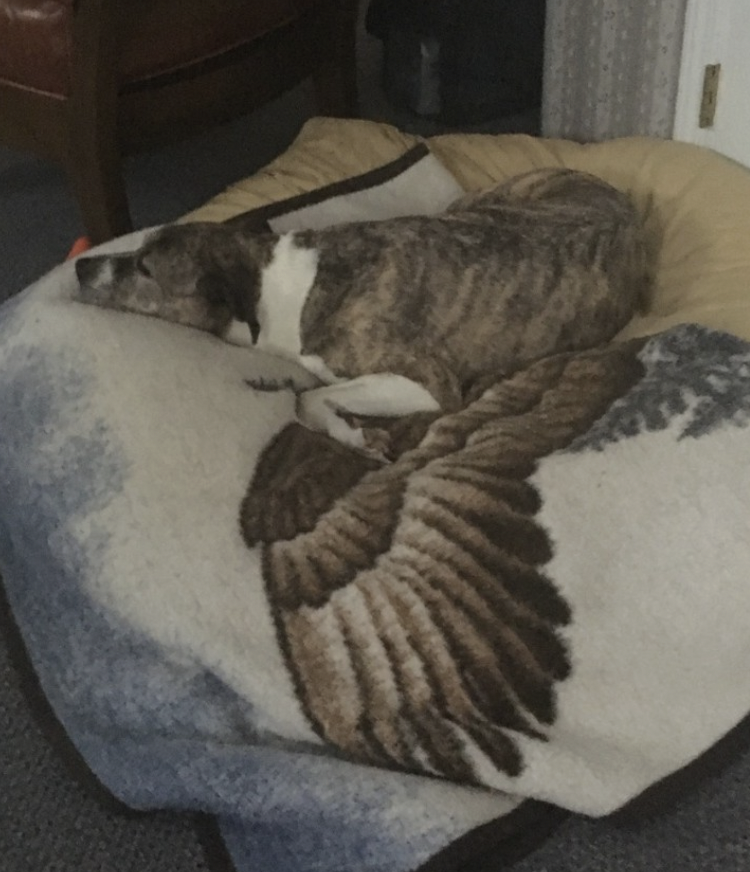
Our beloved Tila used to sleep on a blanket that had an eagle design. I snapped this in the summer of 2021, the last one we spent in Louisville. Years later, it looks like she got her angel wings.
Once you go through a profound loss, suddenly you earn the status of subject matter expert on all things death and dying. Even before I became a certified grief educator, people who were experiencing their own loss would ask me questions, hoping I had the answers.
More than once, a pet owner who had lost their fur baby was surprised by how hard the death hit them, even if they'd previously experienced the loss of close friends or family members. They would ask me how this could be. Why were they feeling so much more grief-stricken?
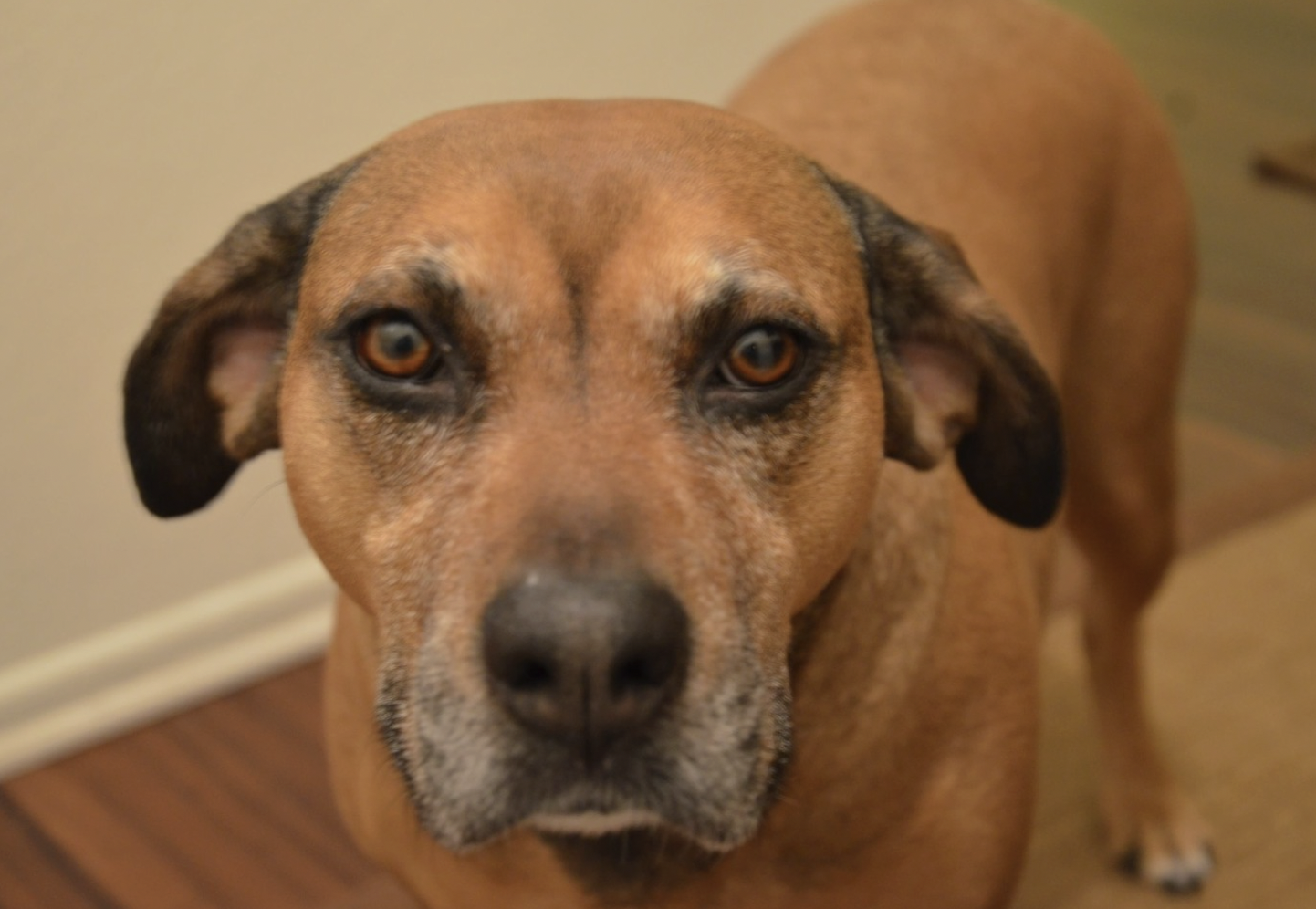
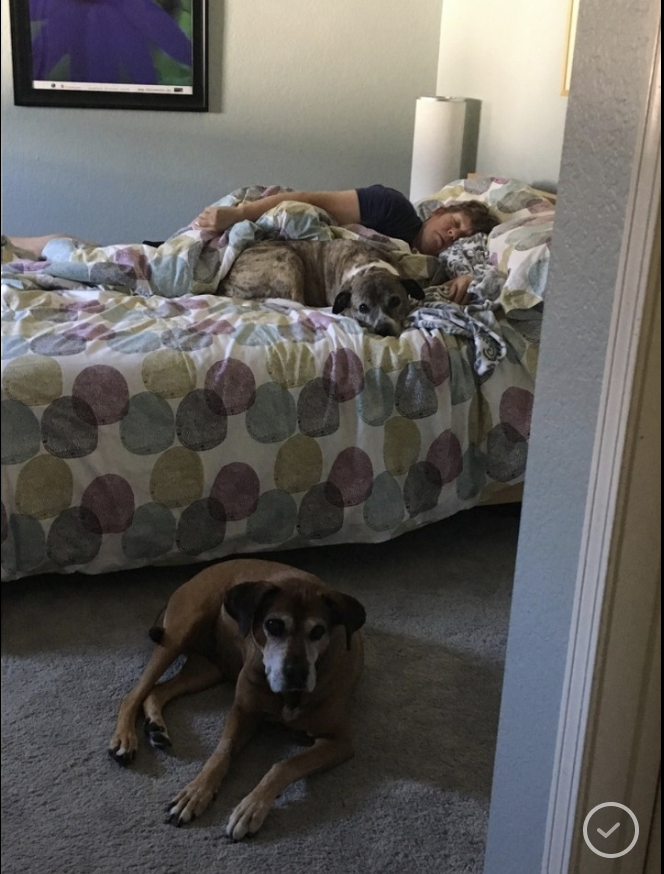
For many people, a pet is never "just an animal." This was certainly true for my late wife. She came about it honestly. Her mother was a Brit whose devotion to dogs far outweighed her affection for people. Some would say it superseded that of humans. Thus, in the 11 years Wendy and I were together, I found that her dogs, Tila and Dolly, were our trusted companions, a source of comfort, our daily routine, and reasons we made very specific decisions as a dog family.
No matter what was happening in our lives, they’d greet us with excitement every time we opened the door. Wendy would turn the knob and declare, “Hello girls! What happened today?”
When Dolly died, Wendy didn't speak for three days. I don't mean she didn't talk about what happened; I mean she didn't talk. For. Three. Days. Tila's death, just five months before Wendy died, sent her into a downward spiral that continued until her final day.
So, I get it.
If you've ever wondered why the death of a pet can hurt as deeply as losing a person, the answer often lies in one extraordinary gift pets provide: unconditional love.
The Power of Unconditional Love
Human relationships are wonderfully complex, but they can also be complicated. Friendships change, families disagree, and romantic relationships require constant communication and compromise.
Pets are different.
They don't care what title you hold at work, how much money you make, or whether you've had a bad day. They aren't judging your appearance, your mistakes, or your past. They simply show up day after day with unwavering loyalty and affection.
That kind of unconditional acceptance creates an incredibly strong emotional bond. When a pet dies, we aren't only mourning an animal; we're mourning a relationship built on daily companionship, trust, safety, and unconditional acceptance.
And just as you may revisit pivotal moments with a human loved one after their passing, your mind may suddenly return to the difficult days your furry companion helped you endure.
Why Pet Loss Is Often Misunderstood
One of the hardest aspects of pet loss is that others may not fully understand its impact. There’s a term for this: disenfranchised grief. It’s when society doesn't recognize or validate the loss. That’s when you’ll hear comments like:
"You can always get another dog."
"It was just a cat."
"At least it wasn't a person."
And while those misinformed people may intend to be comforting as your heart is broken in a zillion pieces, they are actually minimizing the very real pain you’re experiencing.
The truth is that grief isn't determined by species. It's determined by attachment.
When you’ve built a life around caring for another living being, losing that relationship leaves an emotional void that deserves compassion—not comparison.
By the way, this includes any animal: cat, dog, iguana, horse, parrot, snake, ferret, Guinea pig, etc. If you loved that animal, you’re going to be hit with the loss after its death.
You're Grieving More Than Your Pet
Grief is far more than the moment of saying goodbye. When someone we love dies, they leave behind a space that can never be filled in quite the same way. Grief becomes woven into the emptiness, the silence, and the loneliness left behind.
You may also be grieving:
The morning walks that structured your day
The quiet companionship while working from home
The responsibility of caring for another life
Your identity as their caregiver
Those empty spaces can feel enormous. Many pet owners describe reaching automatically for the leash, listening for familiar footsteps, or expecting to see their pet curled up in their favorite spot. You might automatically go down the pet food aisle of the store as part of your shopping routine.
These moments can trigger fresh waves of grief for weeks or even months after the loss.
The most important thing to remember when this happens: this is common. In “The Grieving Brain: The Surprising Science of How We Learn from Love and Loss,” Dr. Mary-Frances O’Connor explains it simply, “You’re not crazy. You’re grieving.”
You aren’t “stuck,” your brain is adjusting to the absence of someone who was woven into your everyday life. It’s a very real physical rewiring and daily routines that are now interrupted are constant reminders of what's missing.
There Is No ‘Right Way’ to Grieve
Just like with the loss of a human, the grief of losing a pet isn't measured by the calendar. It's measured by the significance of the relationship. Allow yourself to experience whatever emotions arise—sadness, anger, guilt, or even moments of joy when remembering funny stories. They can all exist together.
Many people feel guilty for grieving a pet so deeply. Look, you’ve got to “feel your feels” as the kids say. You don't need anyone else's permission.
The relationship mattered.
The love was real.
The grief is real.
So, talk about your pet. Share photos. Cry when you need to. Laugh at the memories that still make you smile. You do you and don’t worry if other people don’t get it. They don’t need to. You are allowed to feel whatever you feel.
Deciding How to Say Goodbye
When a pet dies, there are decisions that must be made about how to care for their remains. Although these choices can feel overwhelming during an emotional time, many veterinary clinics can temporarily care for your pet while you consider what feels right for you and your family. They can also help coordinate cremation or connect you with burial services.
Some common options include:
Cremation. Many families choose this option because it is practical and allows them to keep their pet's ashes in an urn, scatter them in a meaningful location, or incorporate them into a memorial. If you plan to scatter ashes on public property (like their favorite spot in the park), be sure to check local regulations first.
Pet cemetery burial. A dedicated pet cemetery offers a permanent resting place where you can visit, remember, and honor your fur baby.
Home burial. Some families prefer burying a pet at home, but it's important to understand local laws before doing so. Regulations vary by state and municipality, and environmental concerns such as groundwater contamination or disturbance by wildlife should also be considered. If a home burial is your preference, cremation beforehand may reduce some of these concerns.
Body donation for veterinary education. Certain veterinary colleges accept donations that help train future veterinarians and advance animal medicine. If this is something you wish to explore, speak with your veterinarian or a local veterinary school because some programs require arrangements in advance.
Honoring Your Pet's Life
Finding personal ways to celebrate your pet's life can provide comfort and help keep their memory close. You might consider:
Holding a memorial gathering with family and friends, either at home or at a place your pet loved, where stories and favorite photos can be shared.
Creating a lasting tribute, such as a garden stone, memorial bench, planted tree, or another special place dedicated to their memory.
Displaying framed photographs or commissioning artwork that captures your pet's personality.
Wearing a necklace, bracelet, or other keepsake engraved with their name or paw print. Some artisans can even incorporate a small amount of cremated ashes into memorial jewelry.
Setting aside a remembrance space in your home with favorite toys, collars, tags, or photographs that celebrate the life and love you shared.
The bond you shared with your pet doesn't end with death. It becomes a lasting reminder of a love that was freely given and forever remembered.
Don’t miss future blog posts; sign up here and get them delivered directly to your email box.