
It’s OK to Grieve Someone You Never Knew
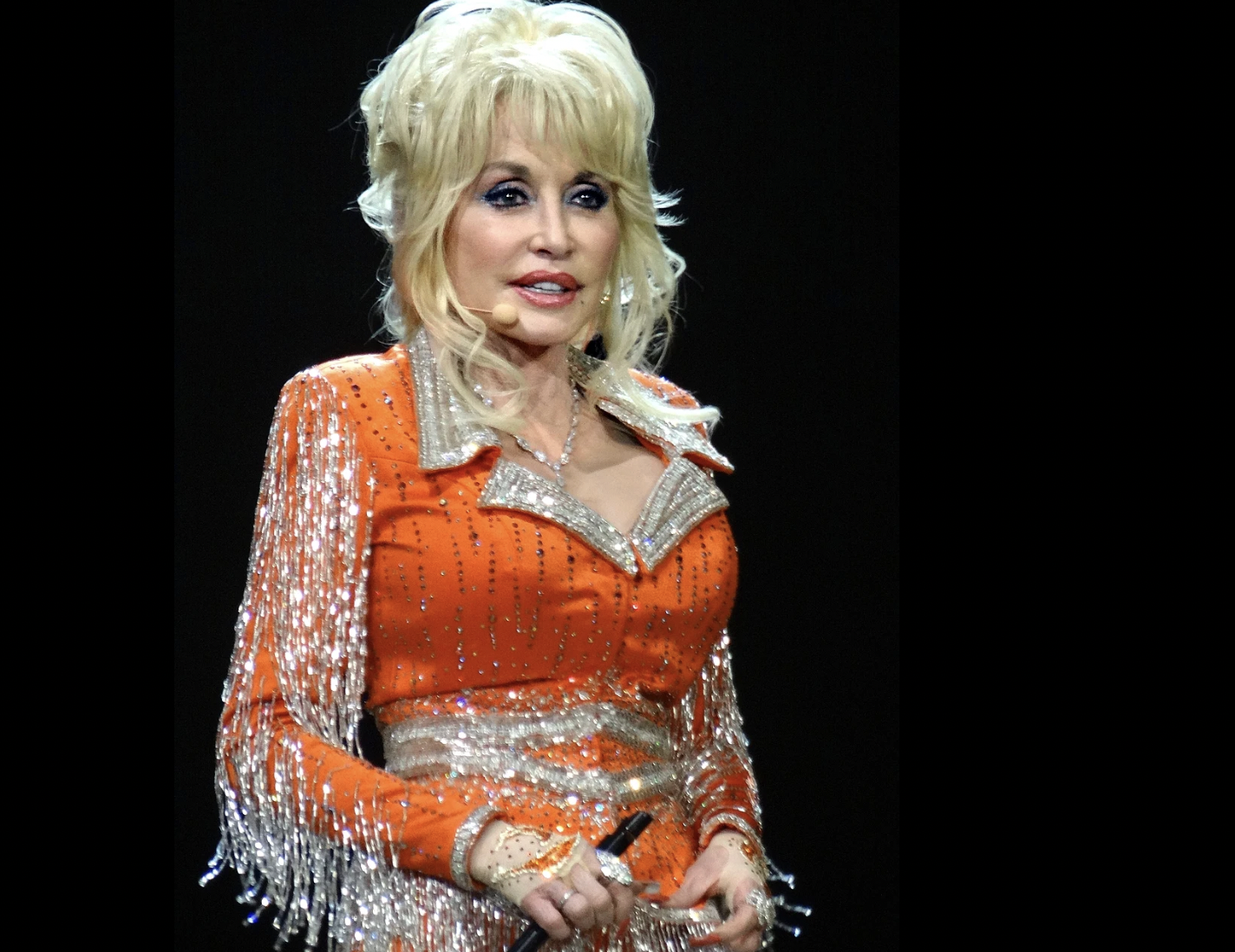
I’m writing this on the day Dolly Parton died. Considering all the loss I’ve had in my life in the last few years, this celebrity passing has hit me a little harder than usual. Maybe you feel that way, too. It’s not uncommon to be deeply affected by the death of someone you never met. Maybe it was a musician whose songs were the soundtrack to your life. An actor whose movies got you through a difficult time. An author whose words made you feel understood. An athlete you watched succeed over the years. A public figure whose courage inspired you.
In my work in mental health and grief spaces, I can tell you that many people will feel a little embarrassed by their reaction to the death of a celebrity. Why, they wonder, do the tears come when I didn’t even know them personally.
If this something you have encountered, you might have told yourself that your grief isn't legitimate. That you don't have the right to feel sad because you weren't family, a friend or even an acquaintance.
Grief doesn’t work like that. It’s not about how well you know someone personally. In a 2020 Washington Post article about celebrity death, Dr. Robert A. Neimeyer, a prominent psychologist and the director of the Portland Institute for Loss and Transition, notes “Grief is not a matter of kinship — it’s a matter of attachment.” That distinction matters.
One of the most important things I've learned about grief is that it isn't a competition, and it isn't determined by the number of hours you spent with someone. We don't only become attached to people who sit across the dinner table from us or lay next to us in bed. We become attached to voices, stories, music, performances, ideas, programs, movements, and the people who create them.
That means that sometimes someone we've never met can become part of the fabric of our lives and impact our heart. When they depart this world, that heart can break.
That’s because what they gave you was real.
Maya Angelou famously stated, "I've learned that people will forget what you said, people will forget what you did, but people will never forget how you made them feel."
Think about the feelings you felt from:
The singer whose album you played during your first heartbreak.
The comedian who made you laugh when you desperately needed to.
The actor whose character helped you understand something about yourself.
The author whose words seemed to say exactly what you couldn't articulate.
When that person dies, it is something real in you that can be lost.
There's actually a name for this
Just like dying of a broken heart is a very real thing, psychologists call these connections parasocial relationships. The term describes a one-sided relationship in which we develop a sense of familiarity or emotional connection with someone who doesn't personally know us.
Through television, movies, music, podcasts, social media and streaming platforms, those relationships can be especially powerful because we're exposed to public figures constantly.
Thus, when that person dies, the resulting grief has a name too: parasocial grief.
Remember, grief is a natural emotional response to loss, any loss. Dr. Mary-Frances O'Connor, Ph.D. explained to the American Psychological Association that musicians and actors can become connected to us because their work helps us access emotions we may not otherwise know how to express.
Additionally, another particularly powerful observation she notes: when a musician we listened to during college dies, “a little piece of my college self has gone as well.”
That can be part of what experts call “secondary grief.” It’s the ripple effect after a major primary loss and with celebrities, we're not only grieving them. We're grieving who we were when they were part of our lives.
Simply: you're allowed
So, yes, you have permission (if that’s what you need) to grieve someone you never knew, because you’re grieving a part of yourself, too.
I’ve learned a lot from loss and, as I’ve noted with the title of this website, I want others to gain something from it all. I wish more people understood grief and how the impact of a life can crush you when that person is no longer on this plane.
Let’s take Dolly Parton as one example. My late wife named our dog after her. Our beloved Dolly was a black mouth cur and she, like Dolly Parton, was born in Tennessee. If I really examine Dolly Parton’s passing, I recognize it stirs the loss of our pup and my dear wife.
When a celebrity who has meant something to you passes away, you may be:
Grieving the memories associated with them.
Grieving a particular version of yourself.
Grieving a time that can never come back.
And sometimes you're grieving the realization that there will never be another new song, another movie, another book, another performance.
I’m also grieving the loss of someone who seemed to have a remarkable ability to bring people together. Dolly Parton could reach across seemingly impossible divides. It didn’t matter who you were, how you identified, how you voted, who you loved, or where you lived. Somehow, loving Dolly—and appreciating her incredible talent—could become a connecting thread. There aren’t many people in this world who can do that, especially these days. And that’s part of why this loss feels so big.
What if other people don't understand?
Look, the best advice anyone ever gave me when I was in the early days of grieving my wife, Wendy: You do you.
Everyone is allowed to feel the feelings they have. No matter what they are. No matter how they come.
If suddenly you're grieving the person and now defending your right to grieve them, that can make a confusing experience even more isolating. Know that this, too, is common and that’s why psychologists also have identified a term for it: disenfranchised grief.
So yes, it’s all real grief. And some people simply won't understand.
That's OK. You don't need someone else's permission to feel what you feel.
What do you do with this grief?
Do what you would do with any grief that matters to you.
You acknowledge it.
Listen to the music.
Watch the movie.
Read the book again.
Look at the photographs.
Tell someone why this person mattered to you.
Find other people who understand.
Write down what they gave you.
And, perhaps most importantly, say thank you.
Not necessarily out loud. Maybe in your journal. Maybe in your head. Maybe by continuing to listen to the song that changed your life.
Gratitude for whatever that talented person brought into your life is worth noting.
That hole you feel doesn't have to be explained away. Give yourself the same compassion you would give anyone else who is grieving. Don’t apologize. Don’t minimize it. Walk the journey. Loss is real. Grief is real.
Learn more:
Has this helped you? Don’t miss future blog posts; sign up here and get them delivered directly to your email box.
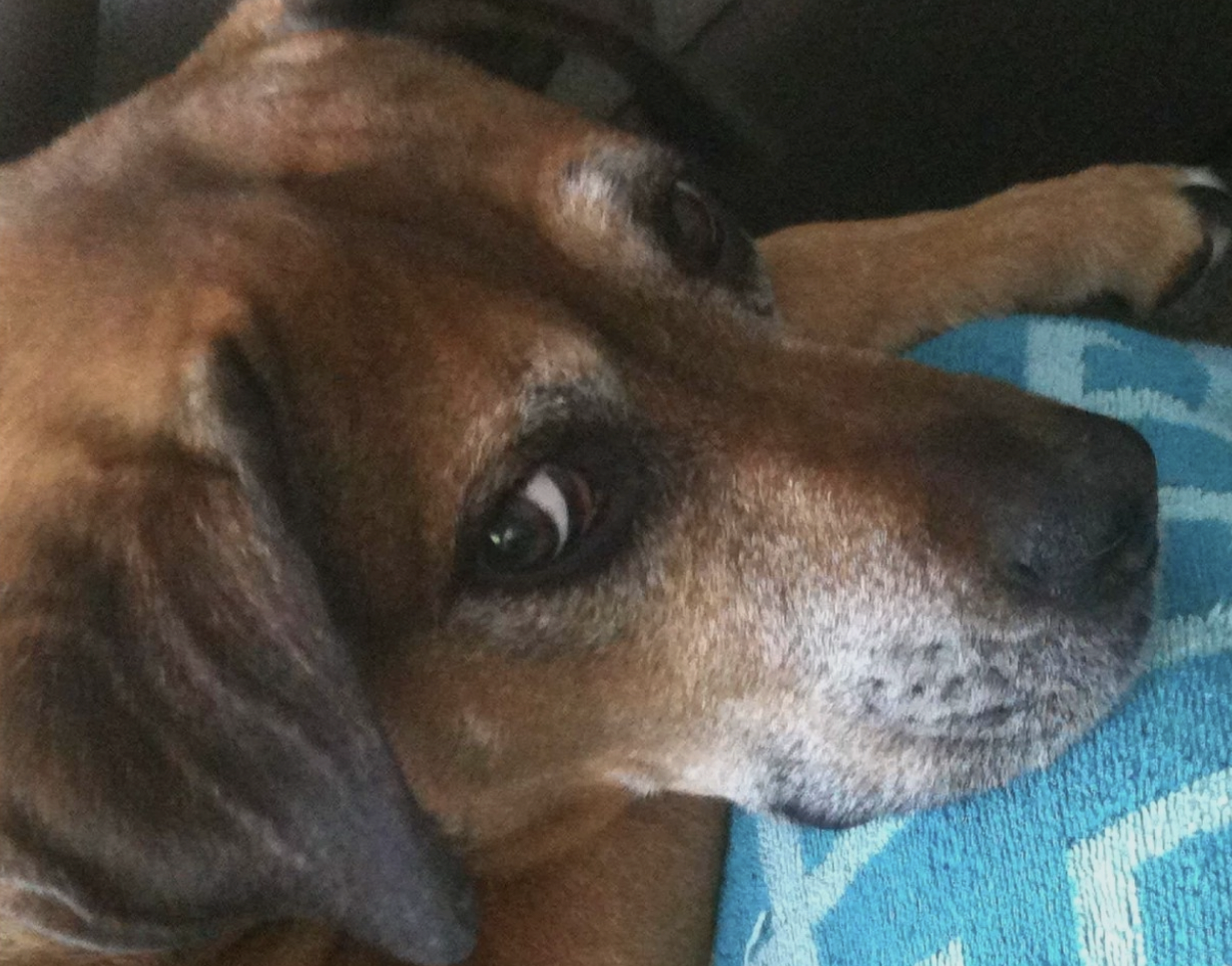
This was the sweet dog my late wife named Dolly.